Case Study : STEM Cases Rebrand with Productivity Overhaul
DESIGN PROBLEM:
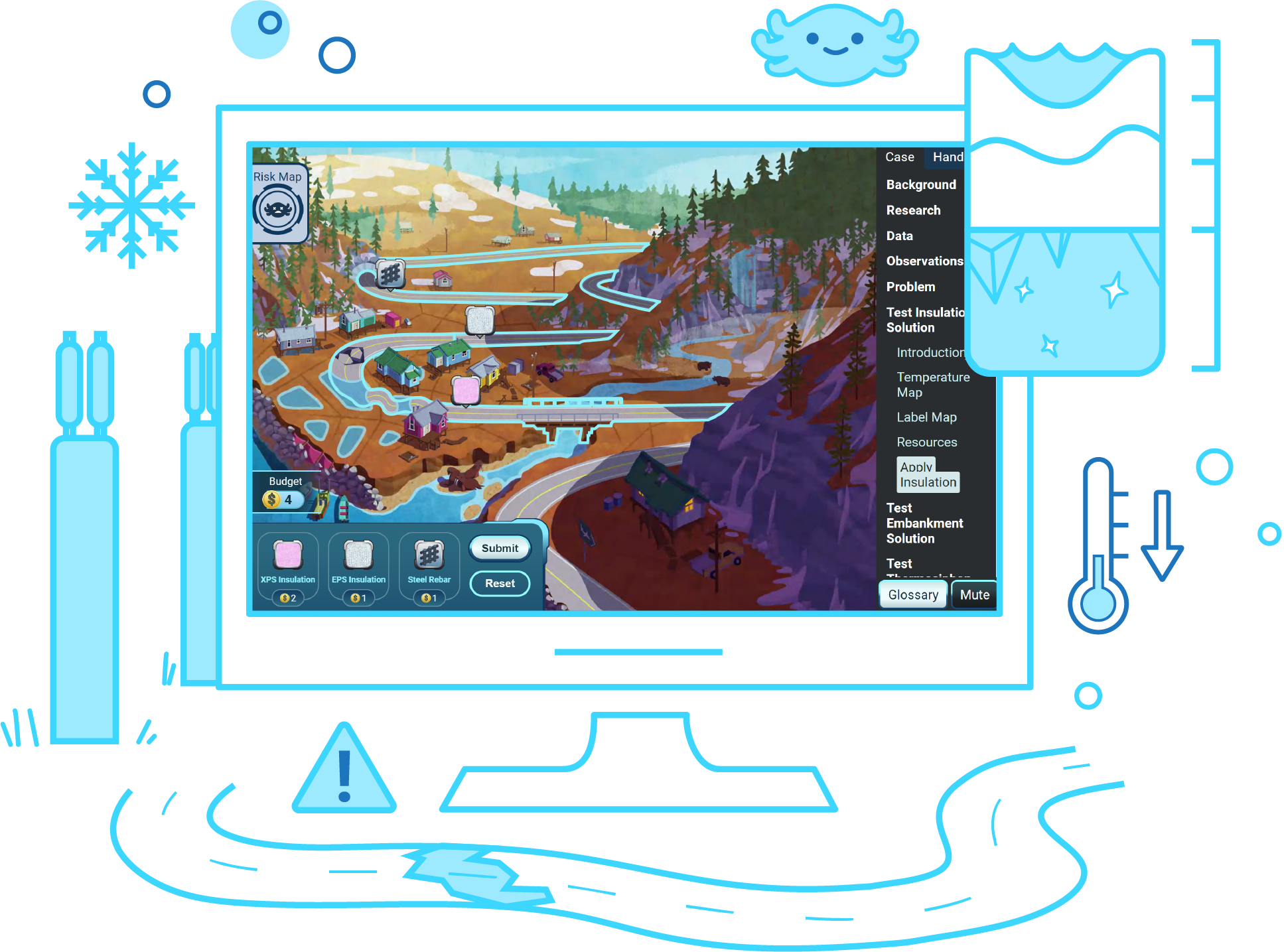
I was brought on as Art Director to provide significant updates to an EdTech gaming product that was not meeting the senior leadership team’s expectations in product design or delivery.
Problems outlined to me by SLT:
Design too old for grade 6-12 target demographic.
Too convoluted, confusing, and long, leading to significant throughput drop-offs.
Gamified elements are not adequately designed or implemented.
Significant issues regarding accessibility.
Titles shipping too slowly. Production team shipping two per year. SLT wants six titles per year.
Initial Product Review, selected screenshots from progression and gameplay:
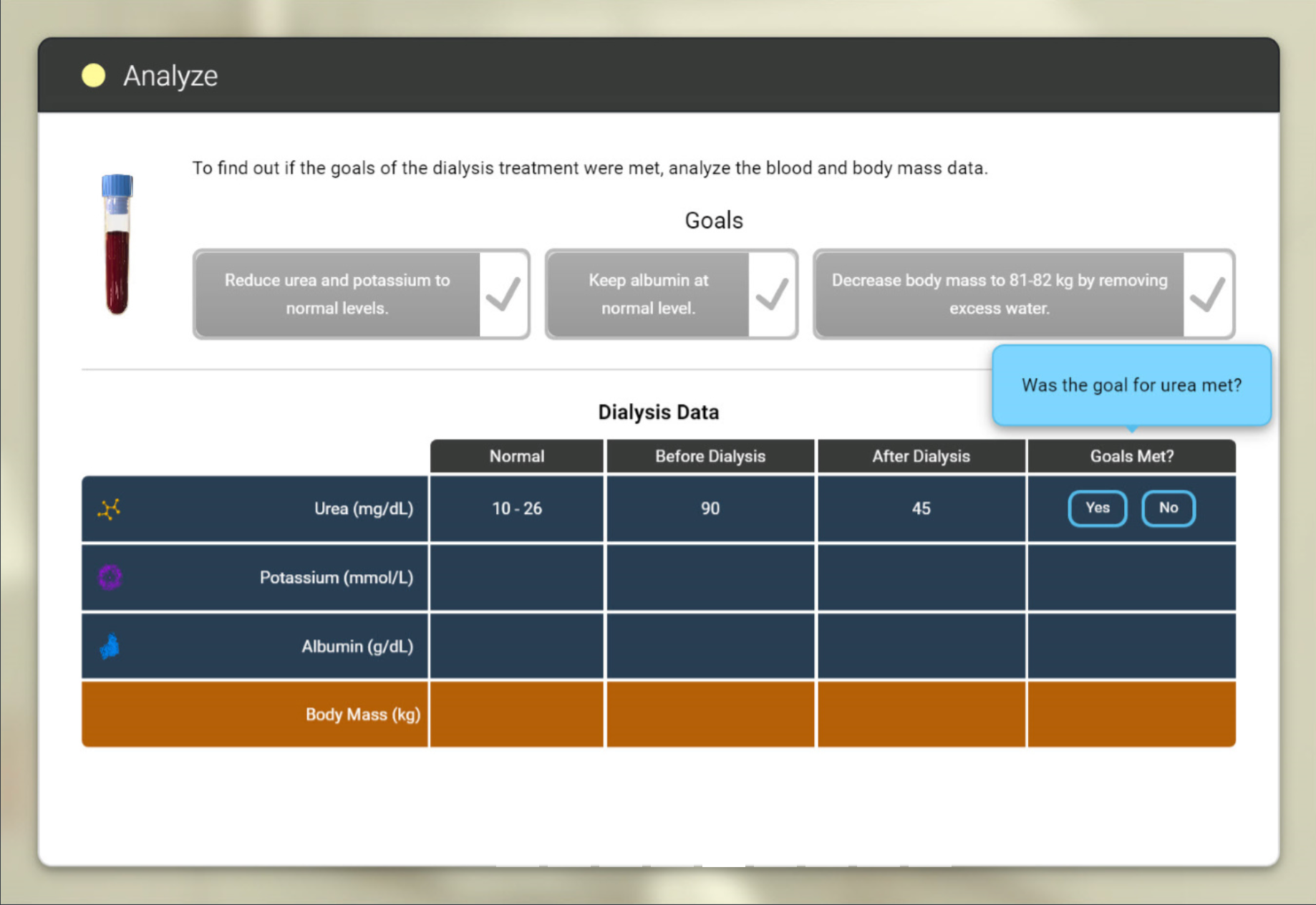
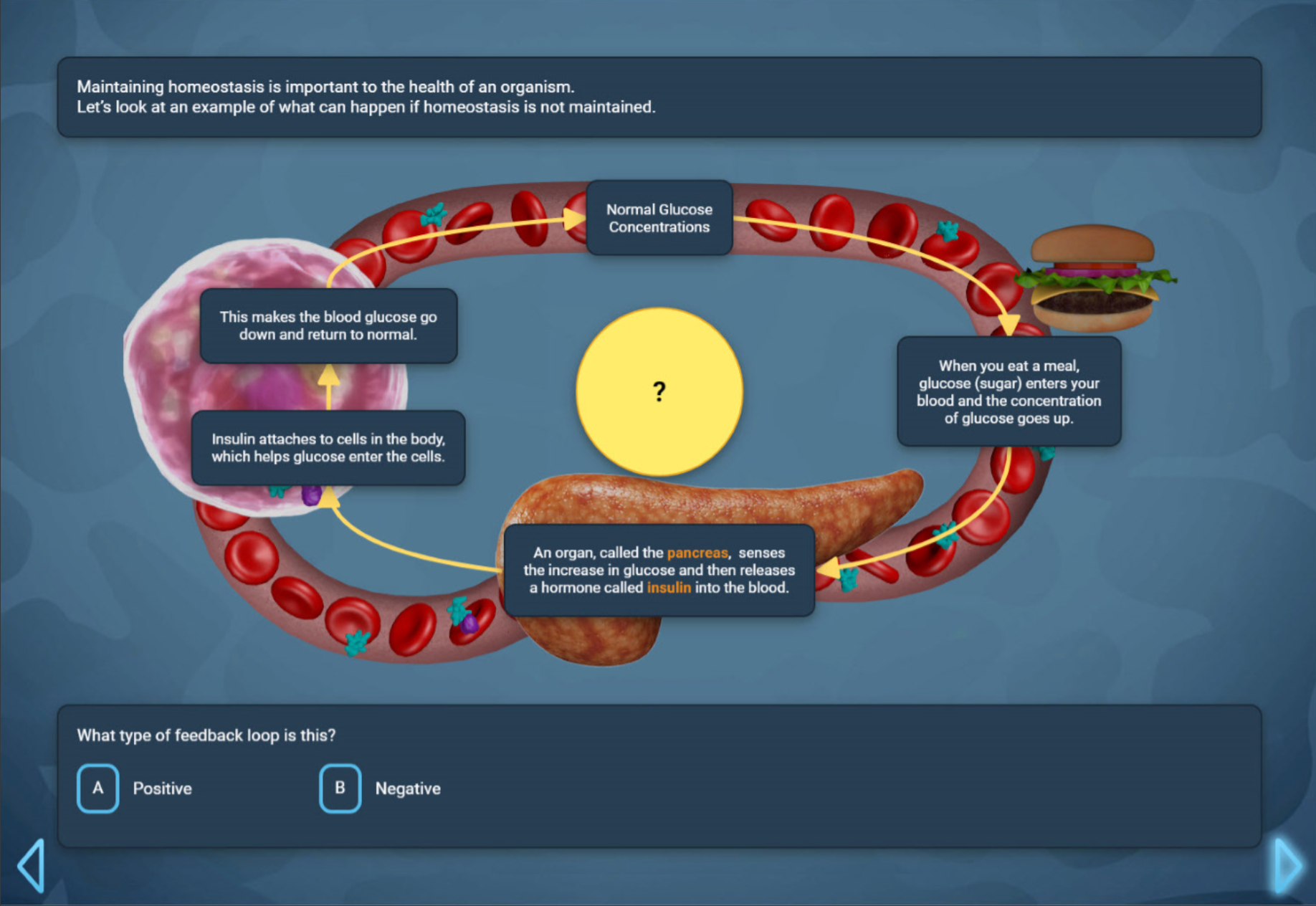
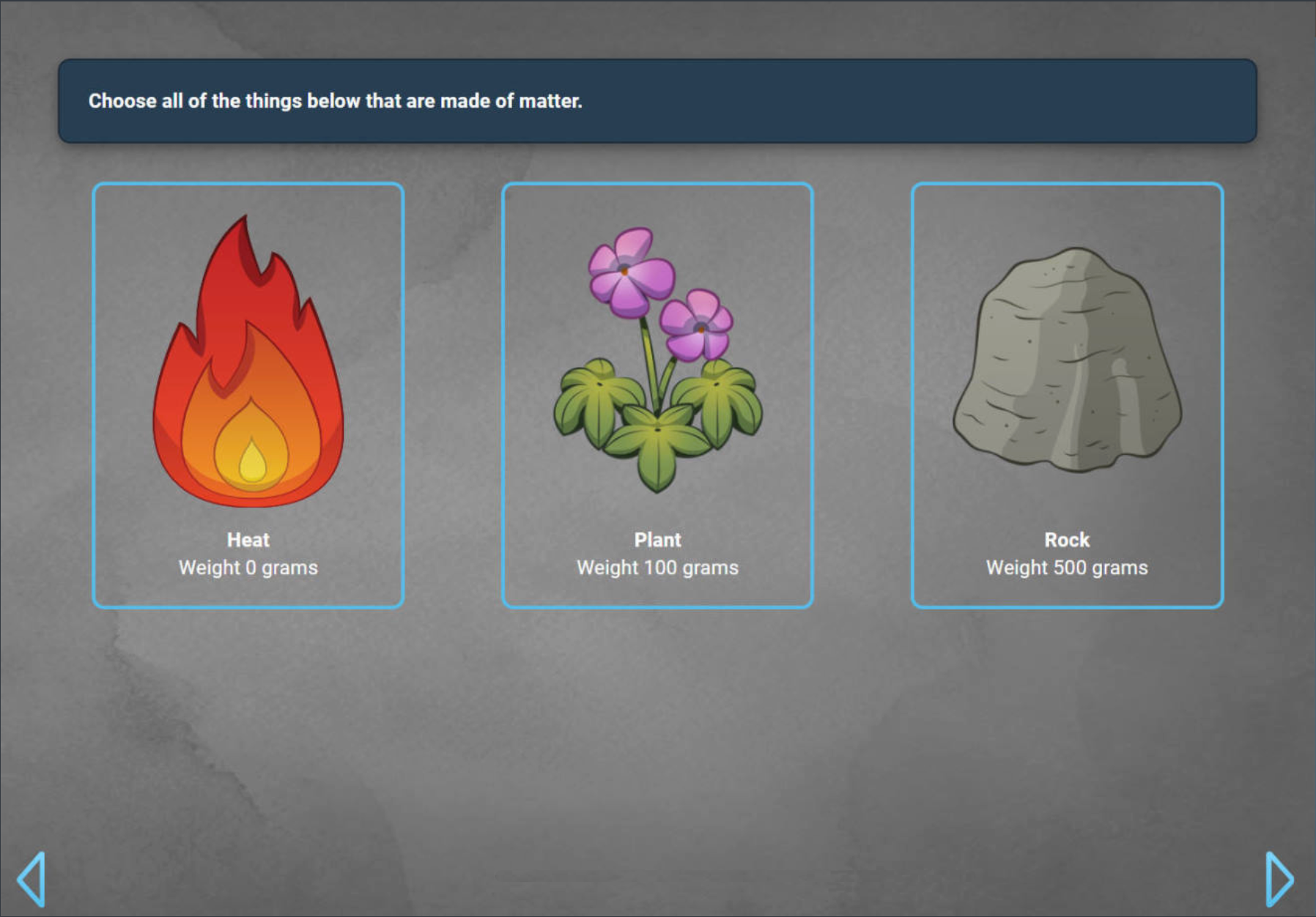
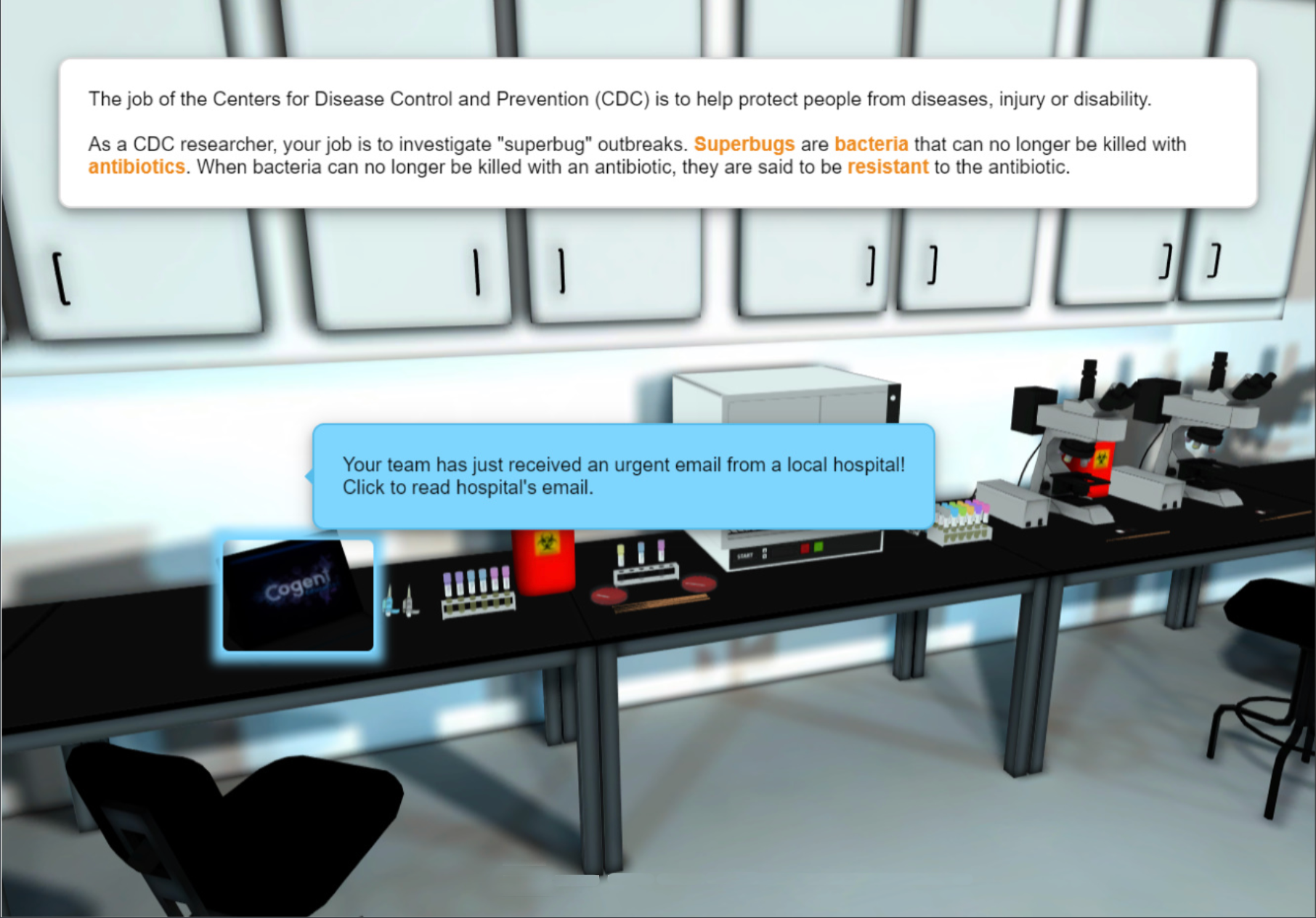
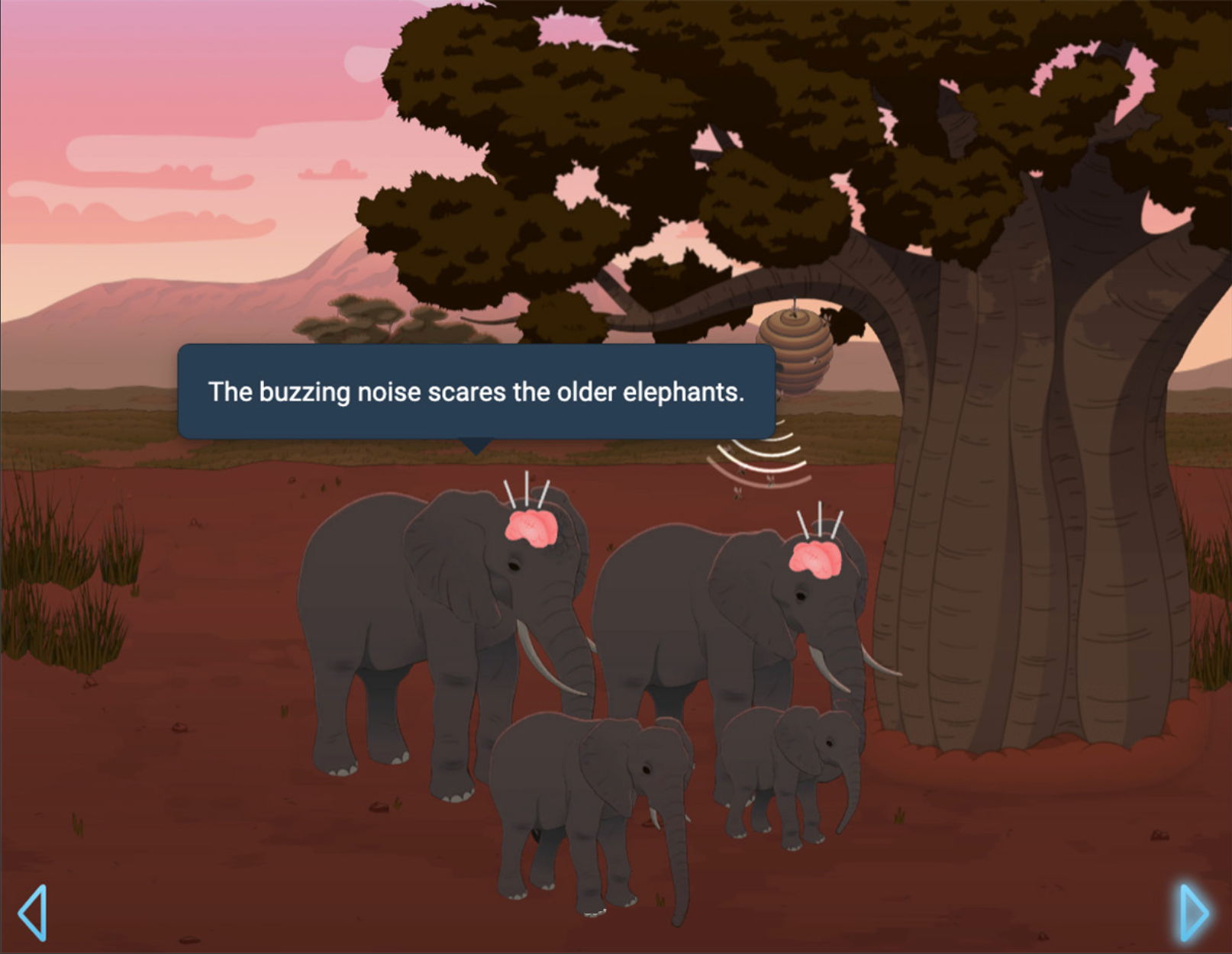
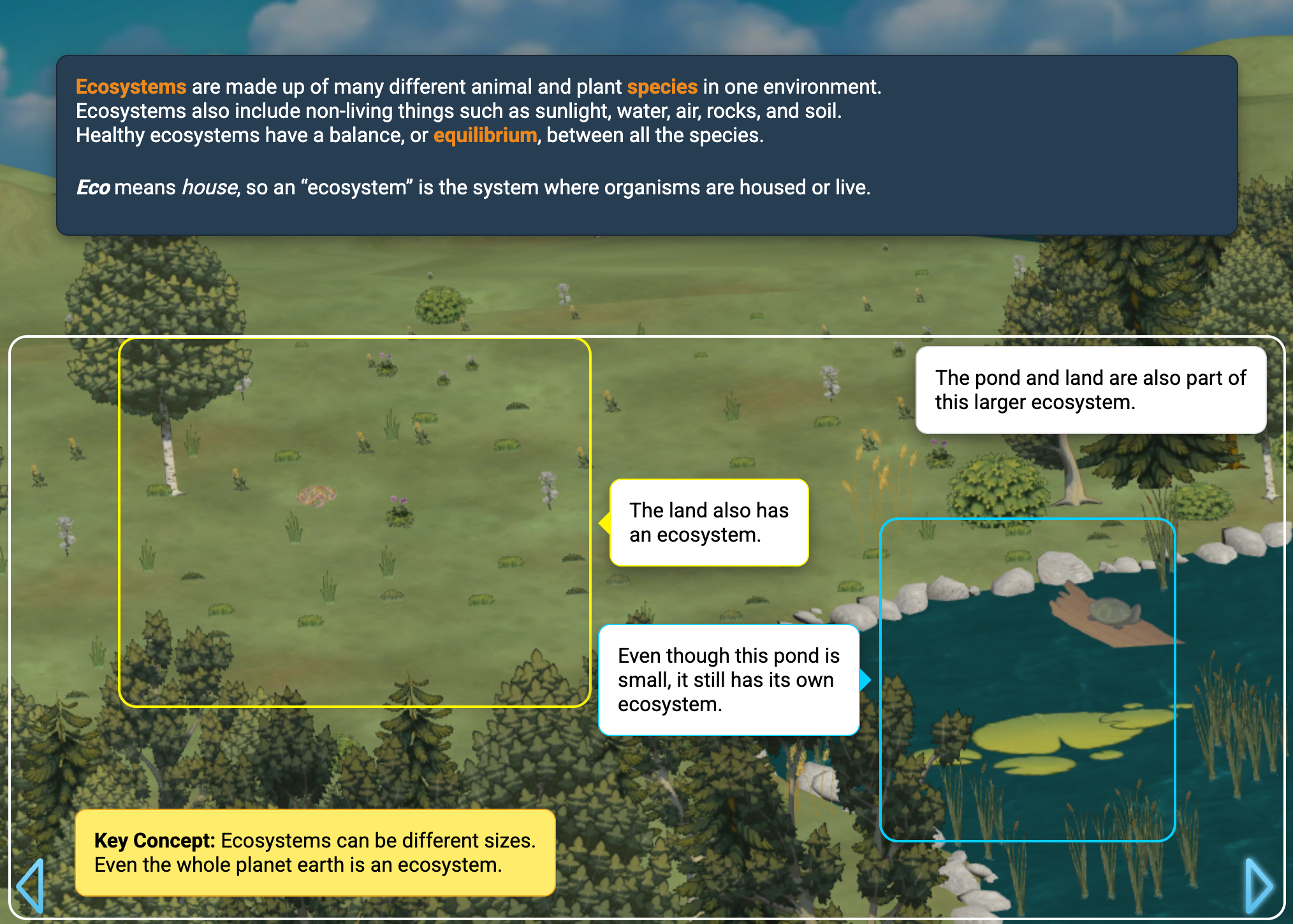
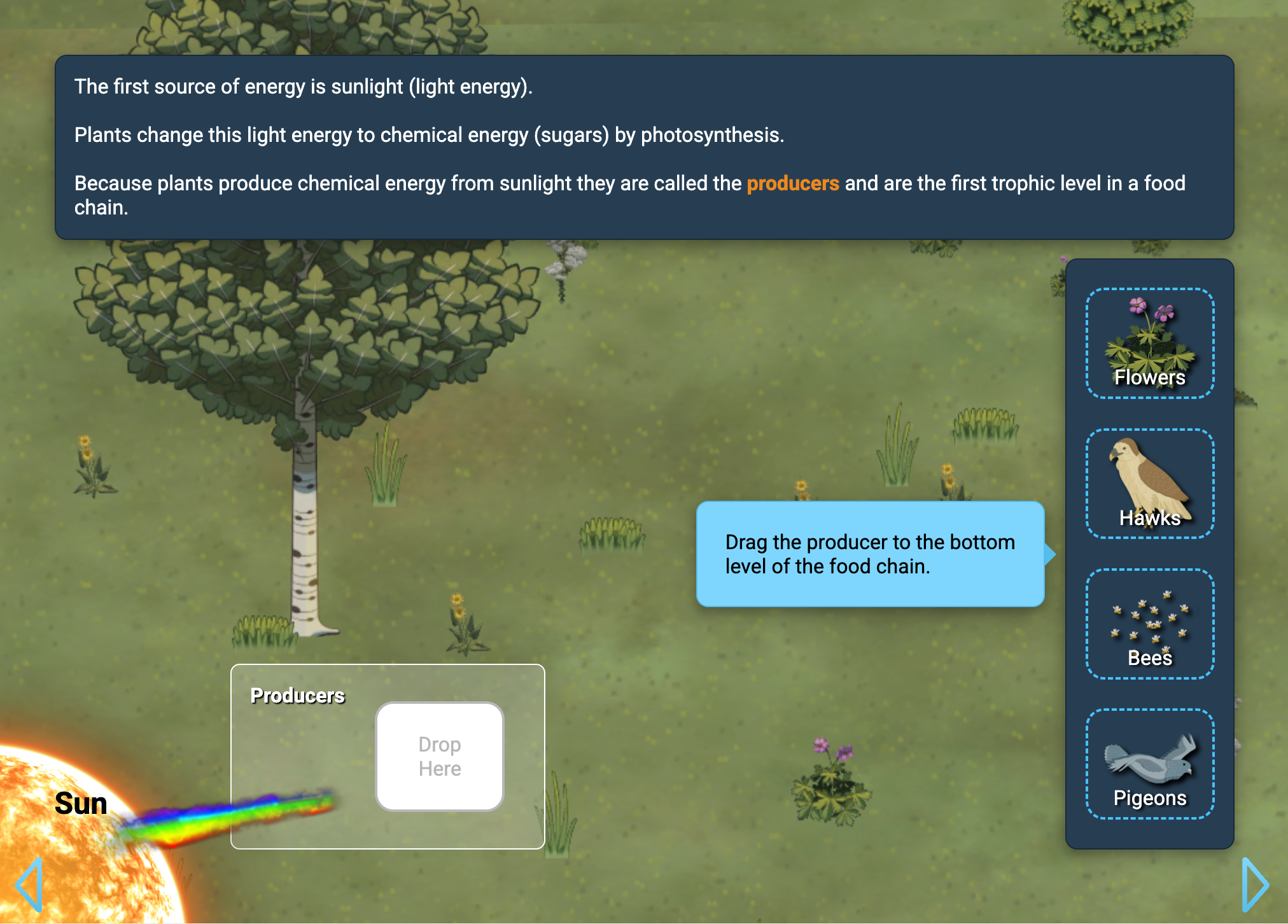
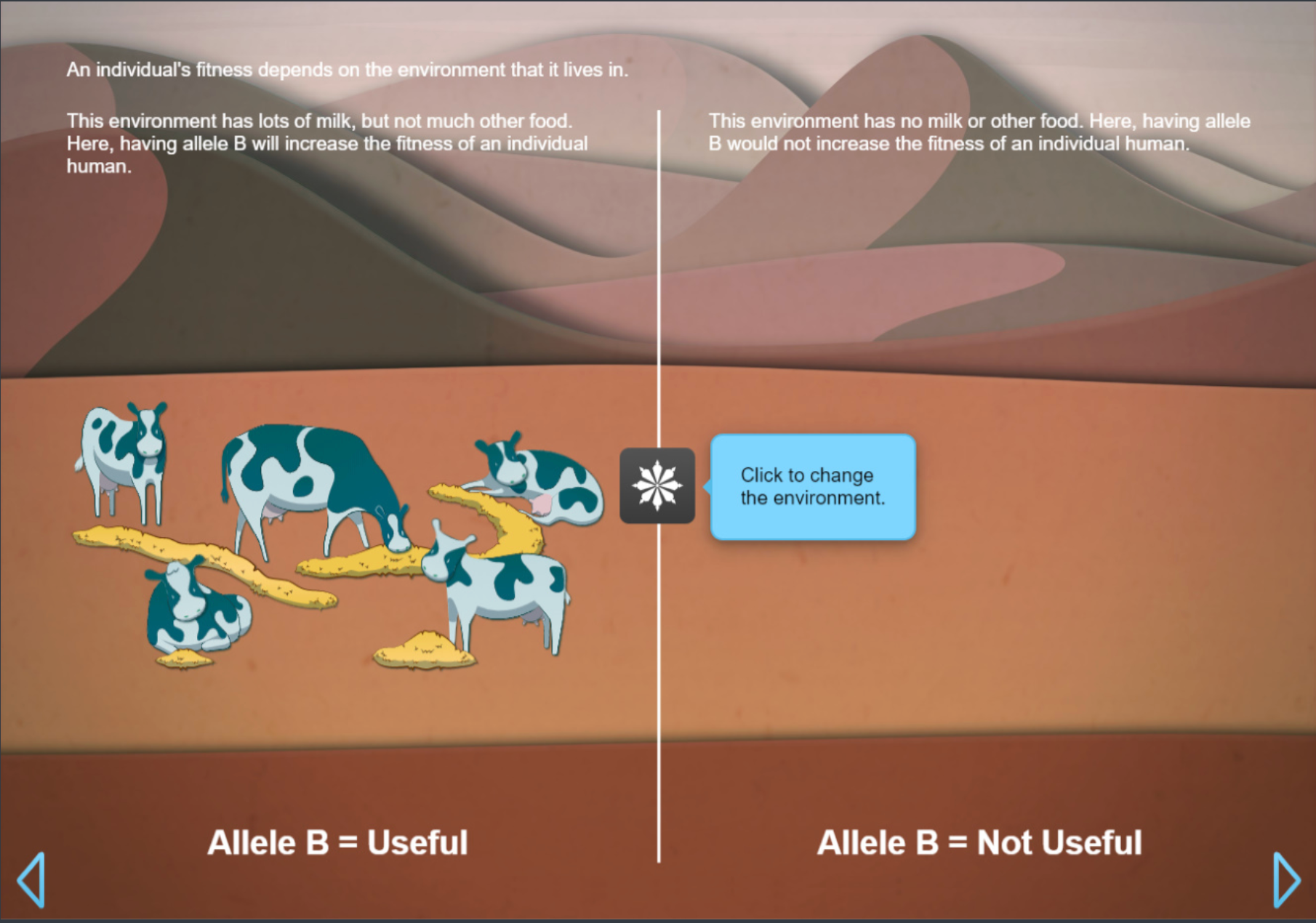
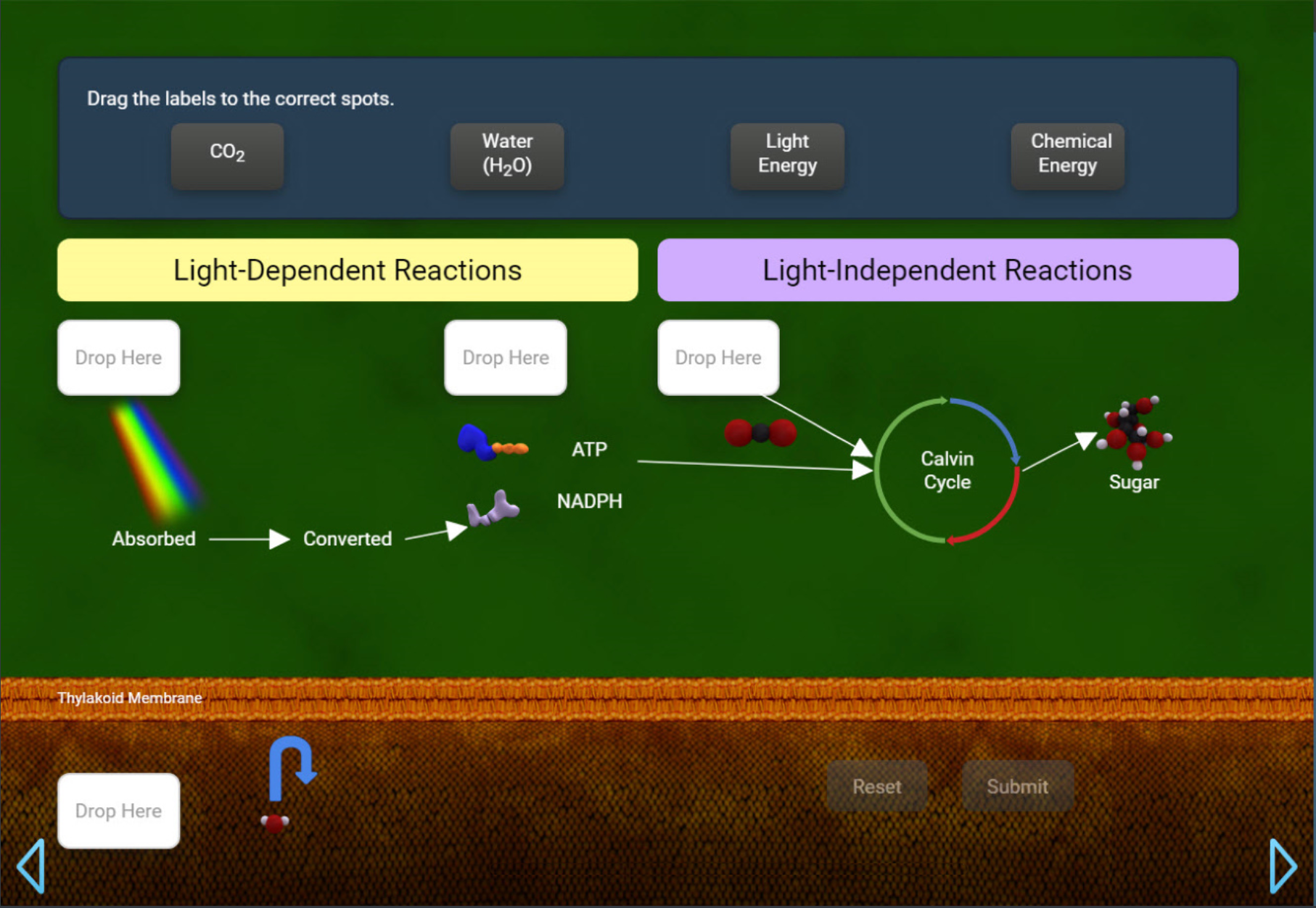
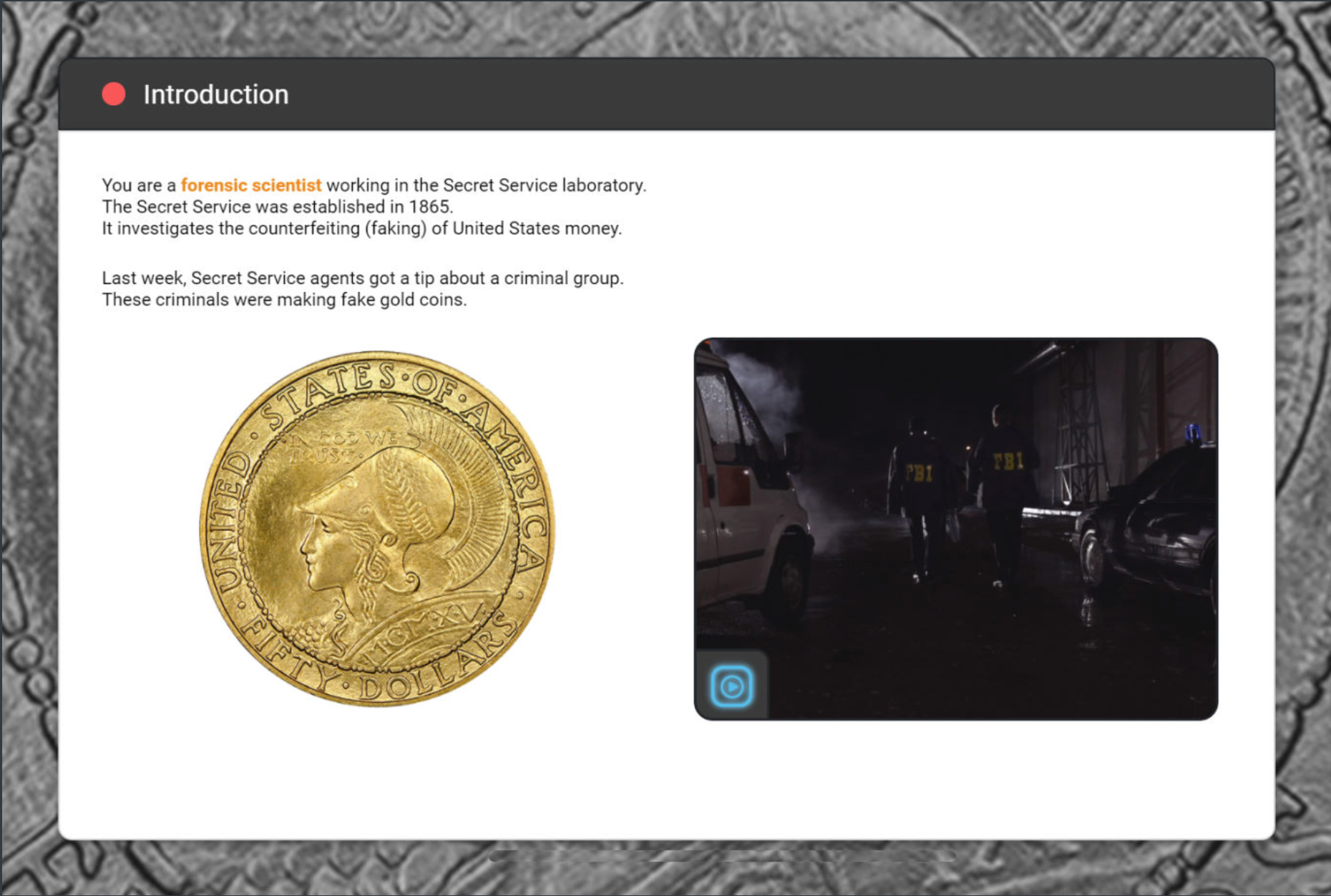
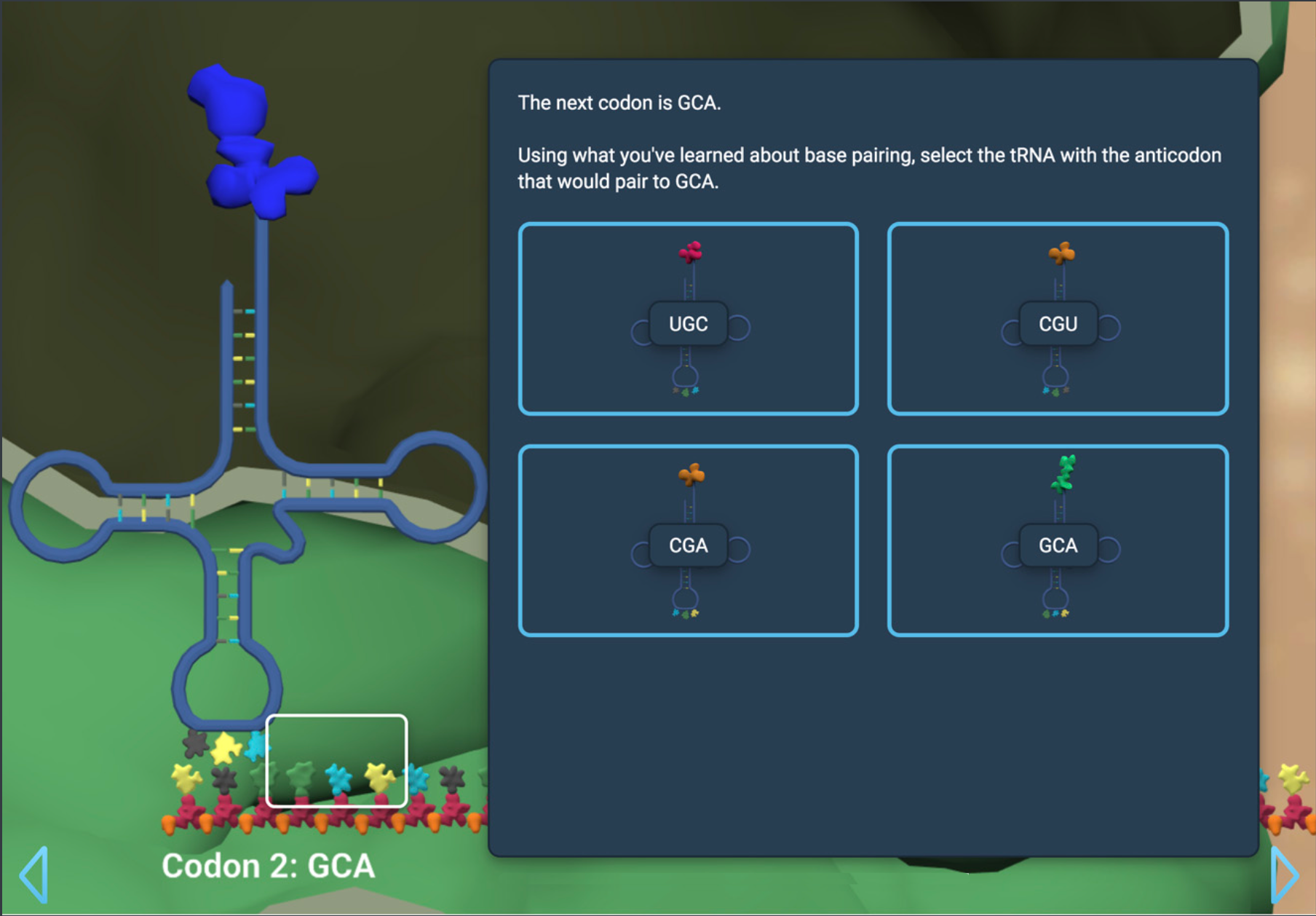
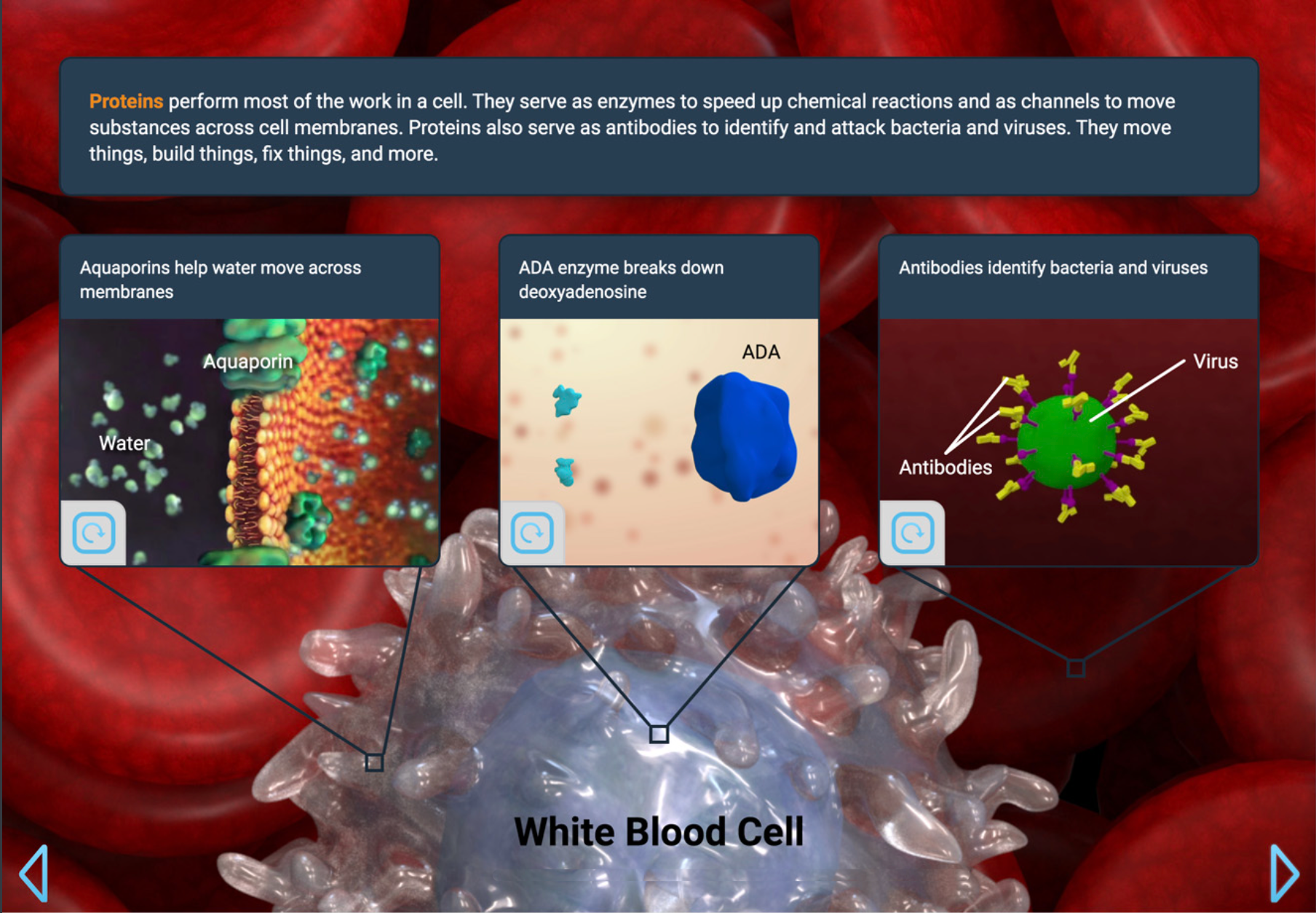
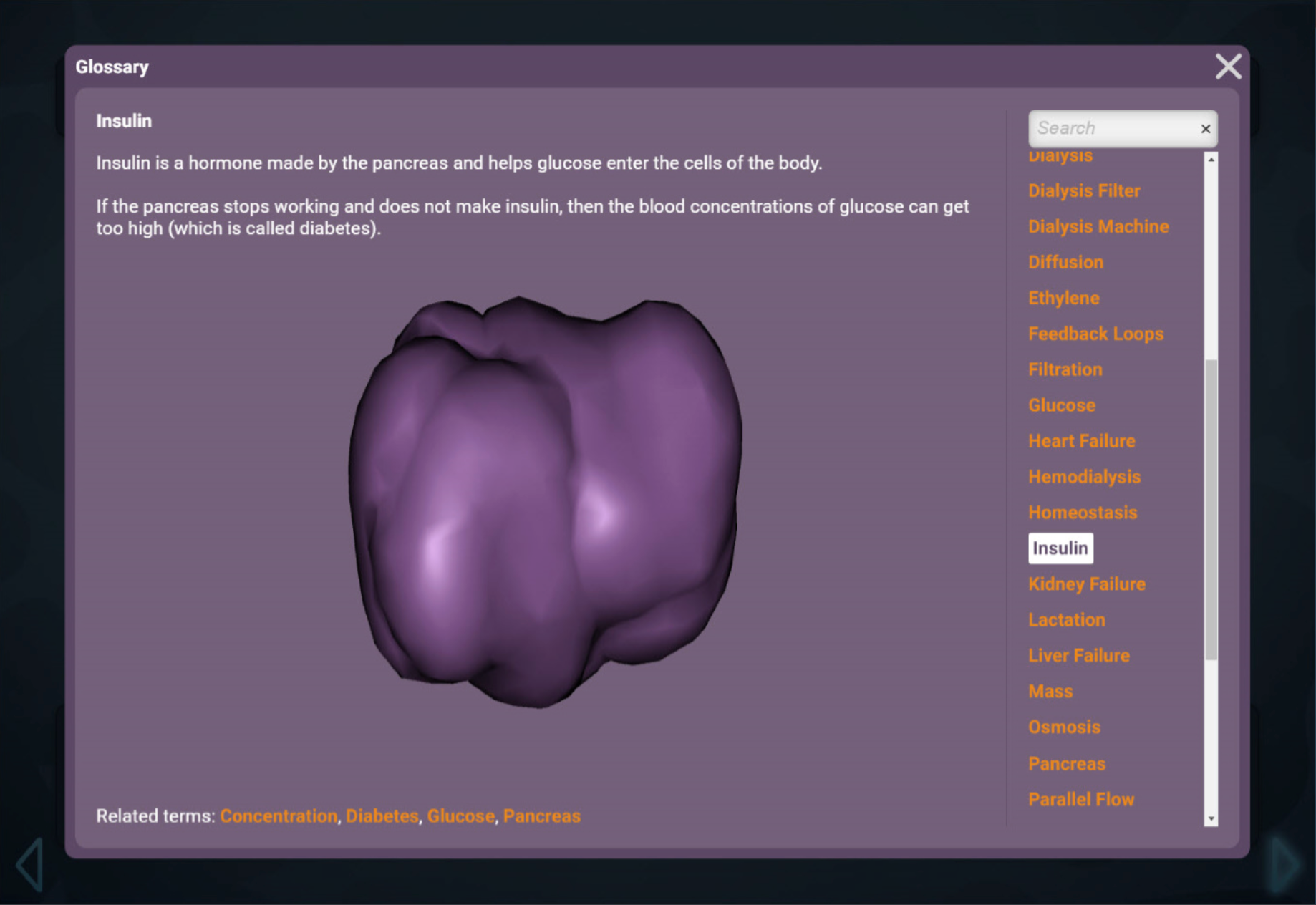
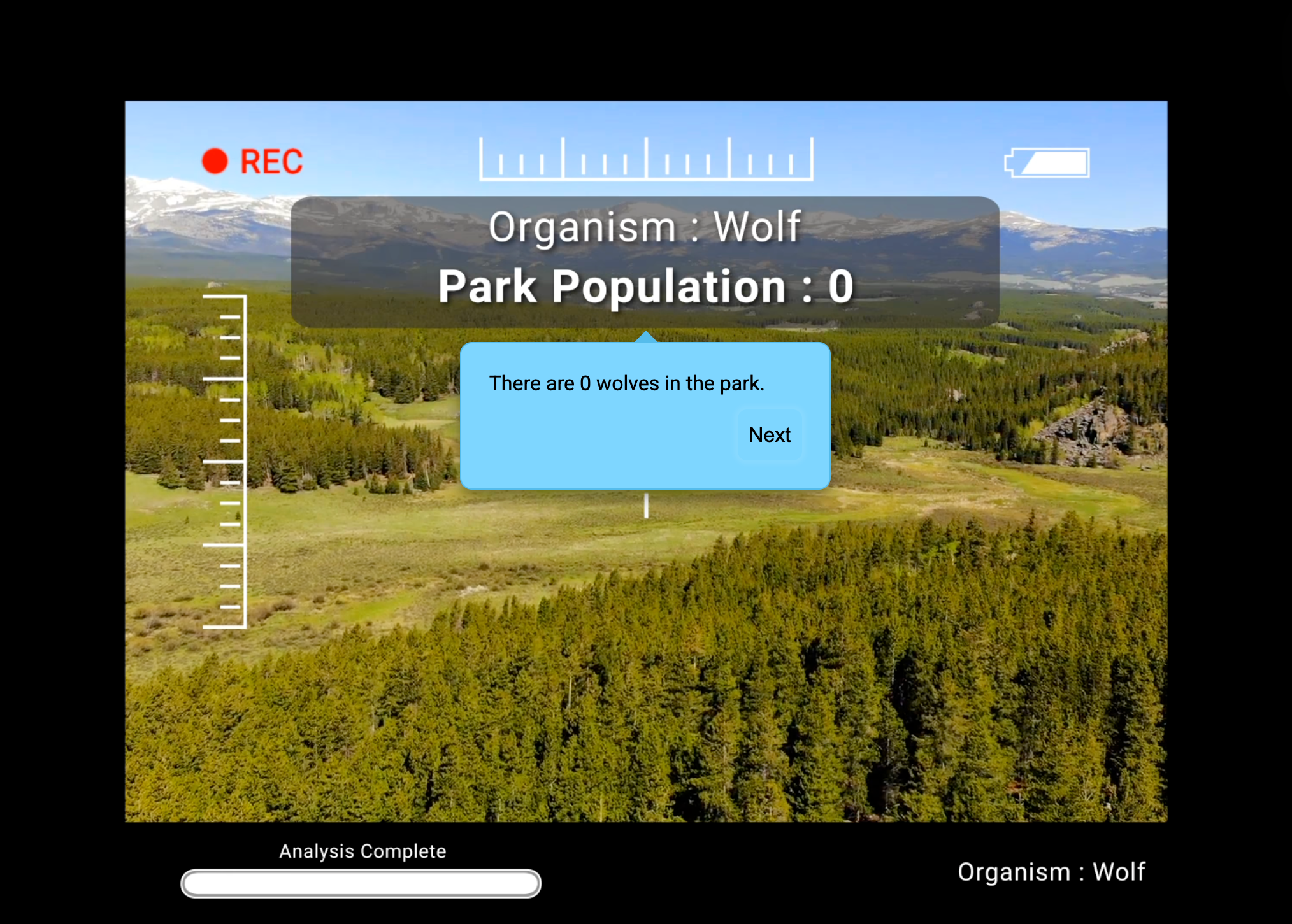
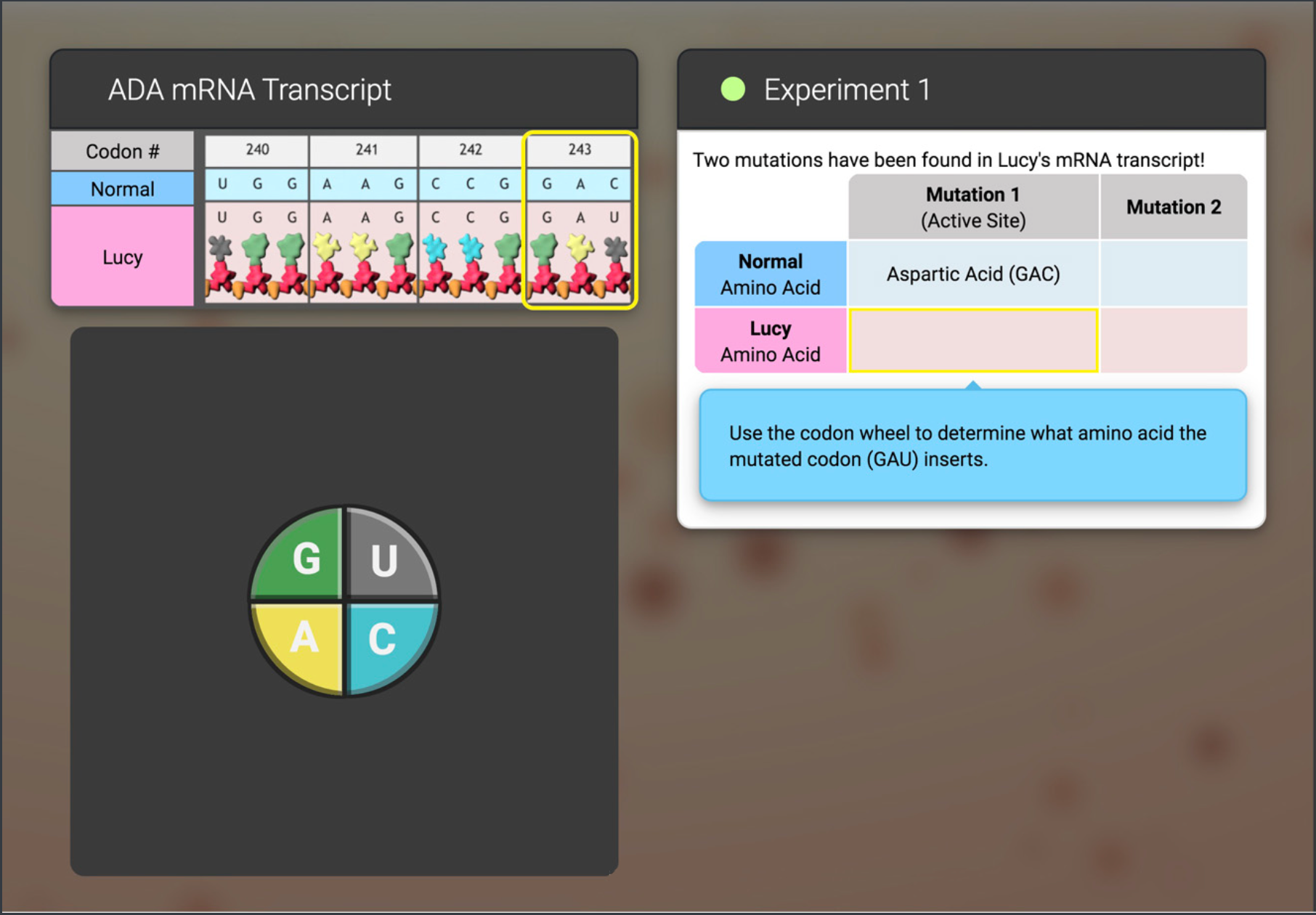
My Analysis:
Product Concerns:
No stylistic cohesion or attempt to present a unified, brand-able aesthetic.
Color palette for UI and 3D renders is dated, bland.
Unacceptable design oversight in page layouts, resulting in progression that delivers too much or too little information per page.
Hierarchy of visuals and relative sizing of elements does not adequately organize information or visual narrative.
3D rendering tech is outdated.
3D designs are either flat or rendered with so much complexity that it interferes with readability.
2D illustrations are competent but not incorporated into larger design system effectively.
Illustrations are not correctly scaled for use-case on screen and UI interferes with key parts of their content.
Text rasterized into image exports, incompatible with accessibility requirements.
Real-world footage is either too amateur or illegible, usually under-exposed.
Progression is not tied to any real gameplay, at most this is a very on-rails linear narrative with no real opportunity for exploration or gaming.
Language and overall structural narrative is flat, disincentivizing engagement in a younger audience.
Files are not exported properly, leading to pixelation and other errors in final deliverable.
Process Concerns:
Lack of specialization in roles on team, resulting in very little specific ownership throughout the production process.
Very little collaboration between the art team and the engineering team, meaning any attempt at creating meaningful gameplay by the writers was tackled superficially at best.
No regular review process by which assets and design proposals could be evaluated for performance metrics and stylistic cohesion.
Lack of artistic leadership, meaning that most design decisions were made by developers and science writers, not designers.
Low morale in artists, a feeling that they were not supported when they attempted to propose larger design solutions rather than just designs for specific assets.
Misallocation of talent. Leadership could not adequately identify strengths and weaknesses of designers and organize them effectively.
Disproportionate effort from the design team that was not acknowledged or addressed. Some designers contributed significantly, others did not.
No differentiation between senior and junior experience between designers.
First Steps:
In order to begin “turning the ship”, I went through past post-mortem documentation and interviewed all production team members extensively, looking at their personal portfolios and taking detailed notes on where they felt problems arose during production.
Based on those interviews, I rewrote their production pipeline and brought more industry-aligned structure to the production process.
I introduced new style-matching requirements. I put the most experienced illustrator on the team as the lead artist, and reorganized the remaining talent into roles that would support her aesthetic.
I moved a front-end developer to the design team, since she had substantial portfolio work demonstrating excellent UI/UX design.
I worked with the director of production to identify those artists who were not contributing work of comparable quality/quantity to the lead artist. Those artists were reassigned to roles that better matched their strengths or were let go.
I worked with the artists to identify skill gaps that were preventing them from executing more ambitious work. I mentored them in developing those skills and provided opportunity for them to demonstrate their increased capability in each new production cycle.
I began to work extensively with the writers in order to help them define how and when to introduce gamification to the product. Once I identified that the writers did not have any game writing expertise, I stepped into that role and wrote collaboratively with them to develop narratives and gameplay that could be effectively designed and implemented by our team.
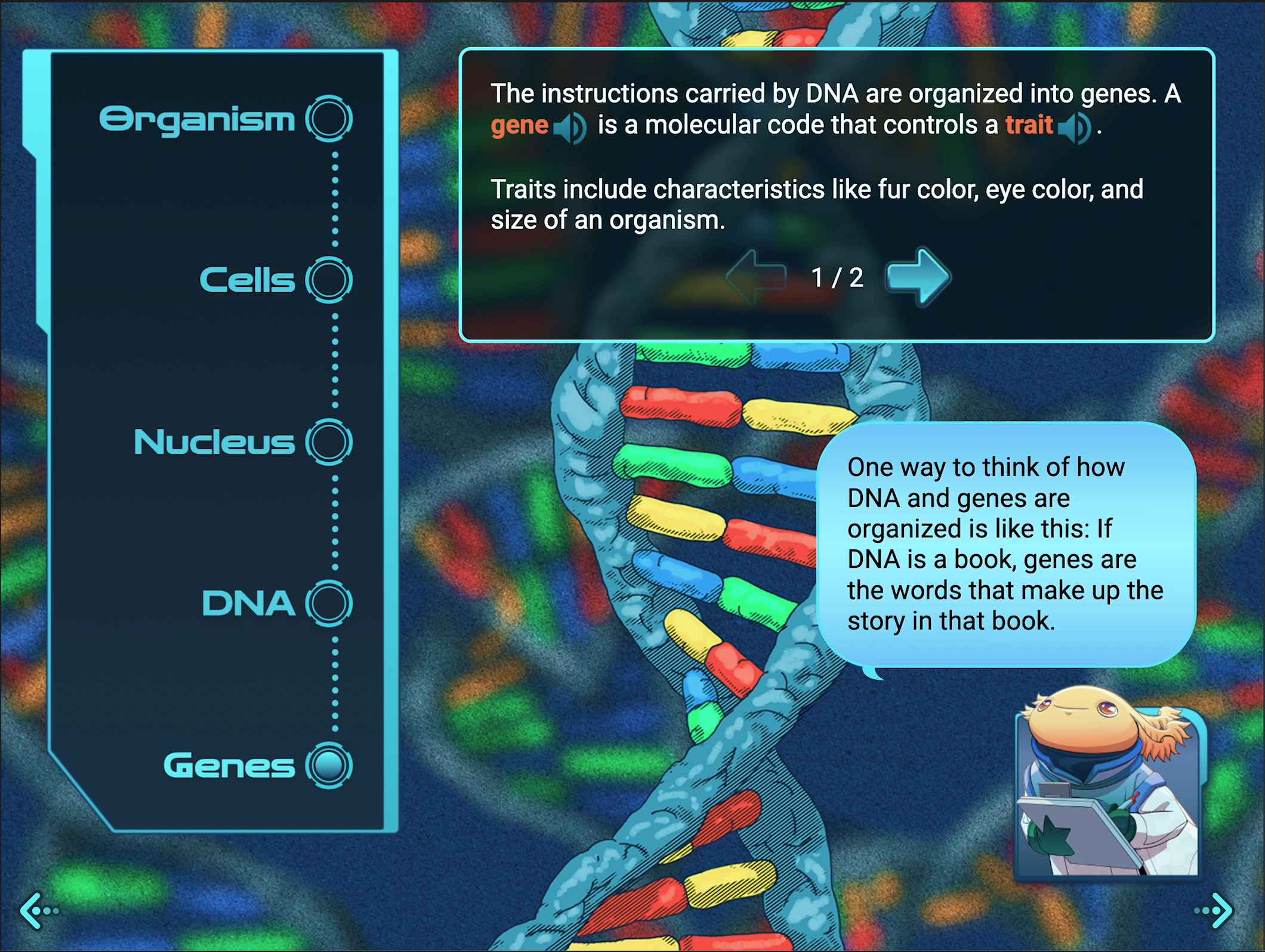
I proposed introducing a mascot to STEM Cases, for branding and to better communicate onboarding and content to players.
Key Goals 2022-2025:
Present a unified aesthetic and brand that feels young, energetic, modern, and inviting to players.
Present complex concepts intuitively and gracefully in order to more efficiently and effectively communicate learning content.
Shorten and streamline each title so that the production timeline can be significantly shortened and we can meet shipping schedule.
Empower the designers to present ambitious solutions for product performance.
Give artists more ownership and support in their process.
Generate new branded merch and put together assets for use in marketing.
Ensure accessibility requirements are met by designing for and implementing additional supports like text reader support, colorblind design accomodation, and pronunciation guidance.
Use reviews and user-testing to further refine the product, tailoring it to the specific needs of customers.
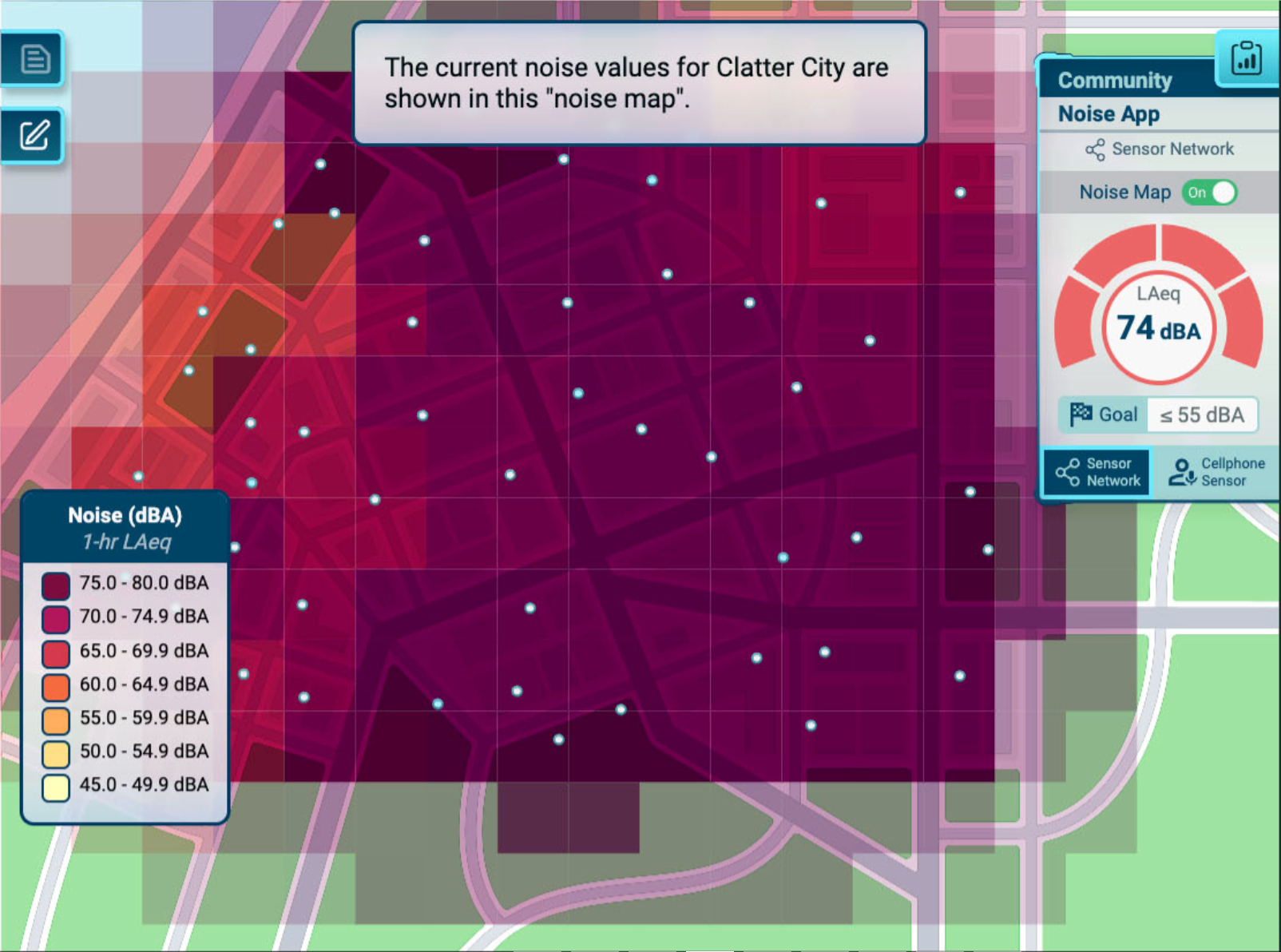
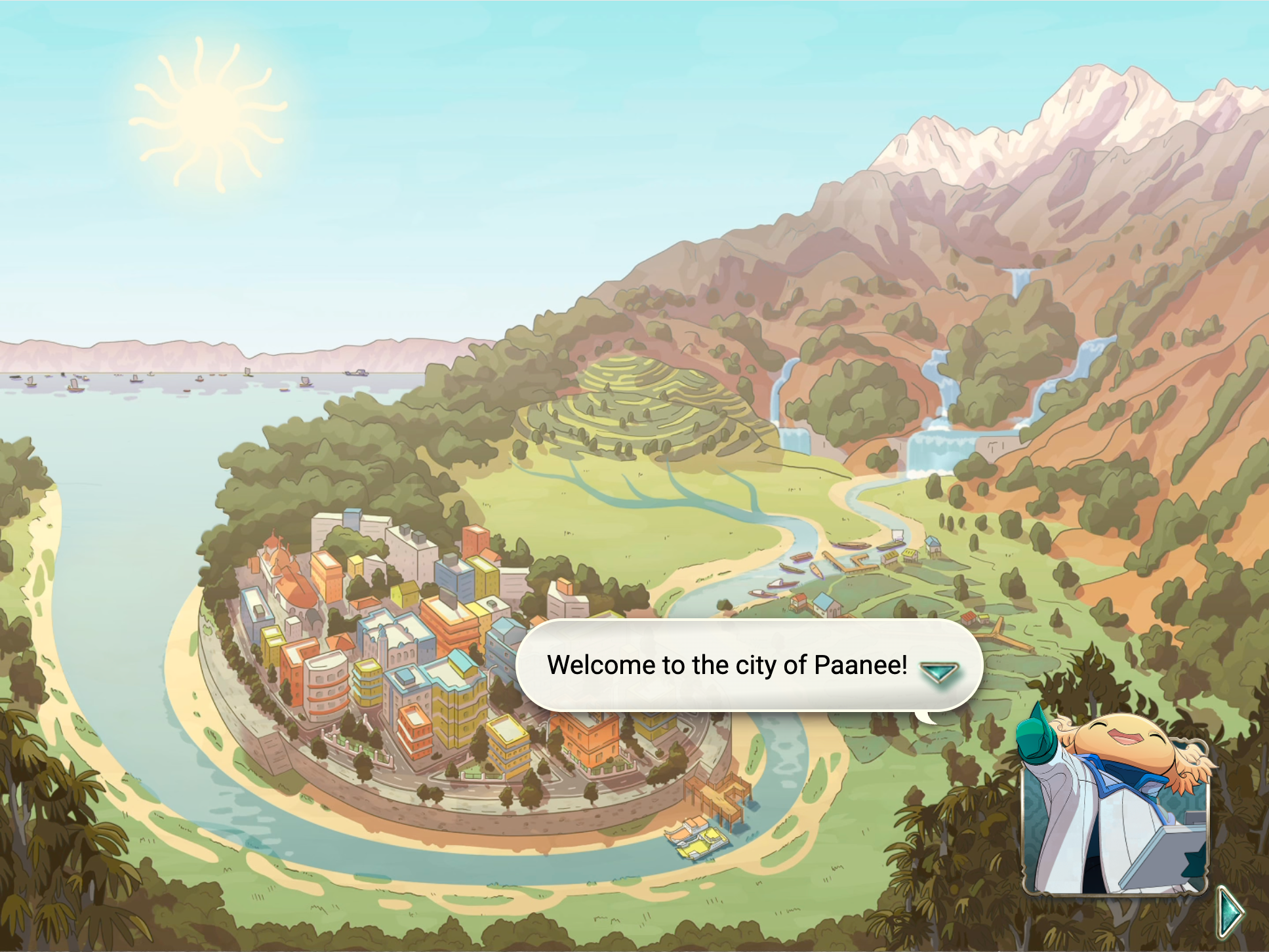
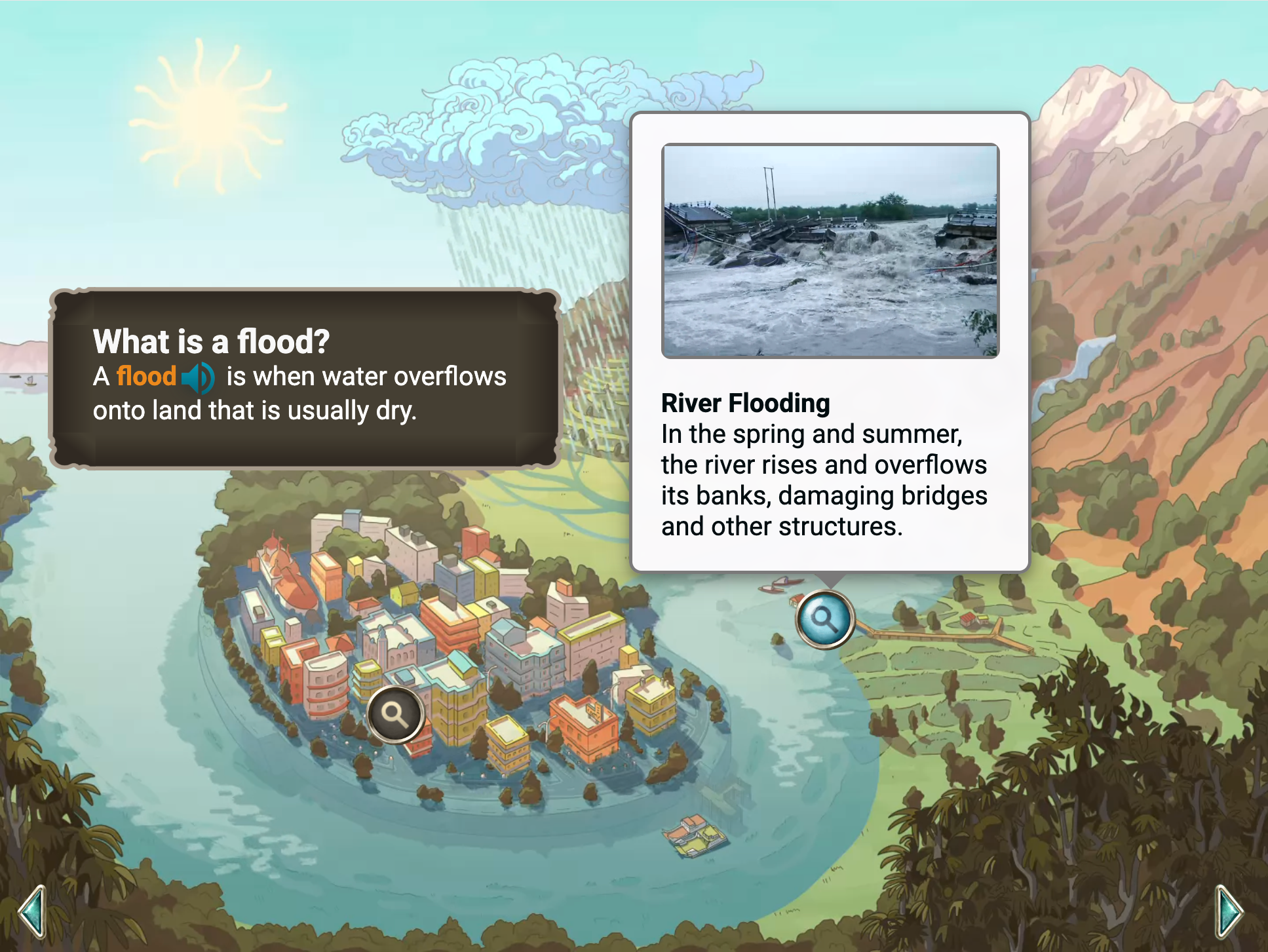
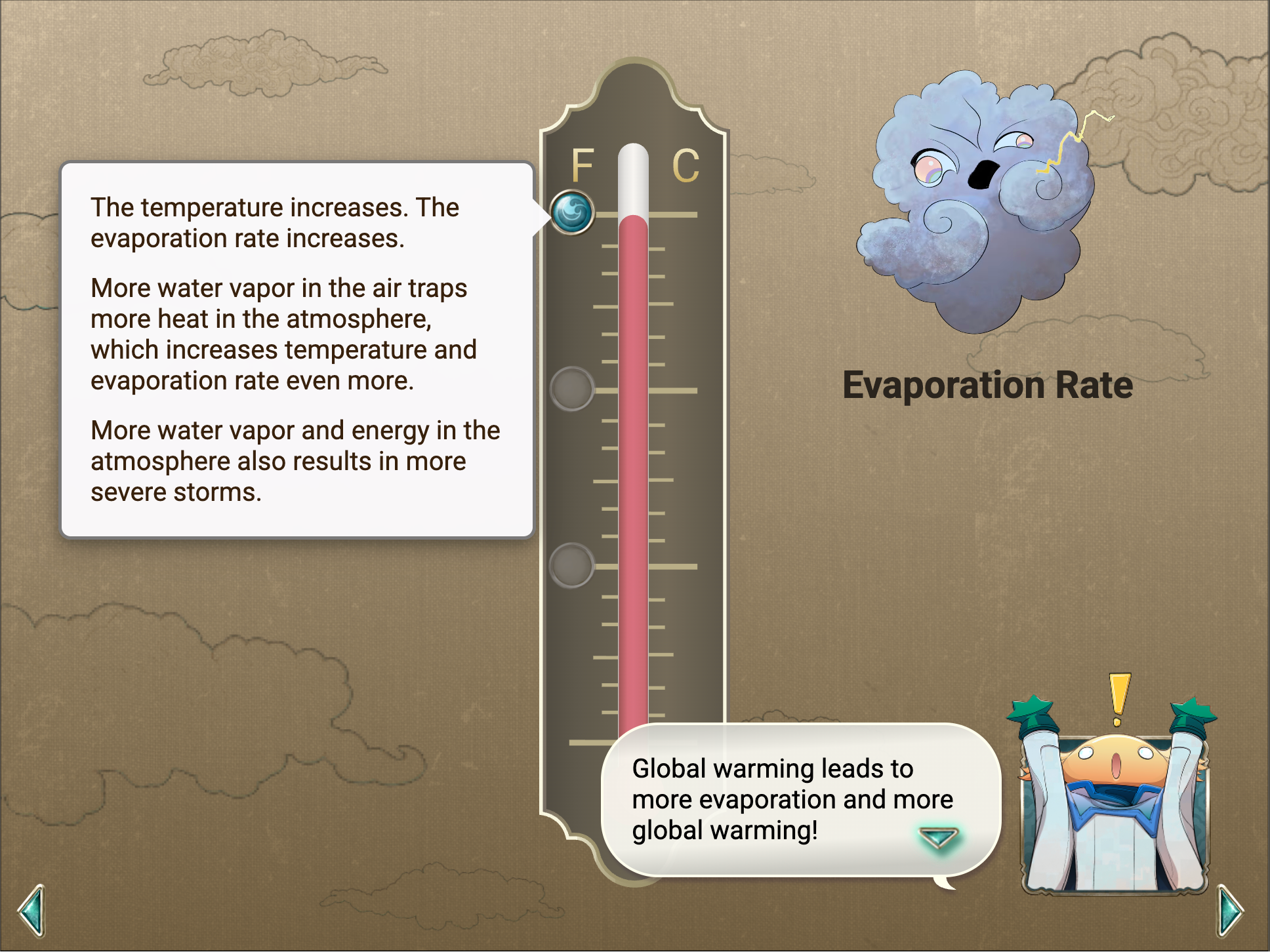
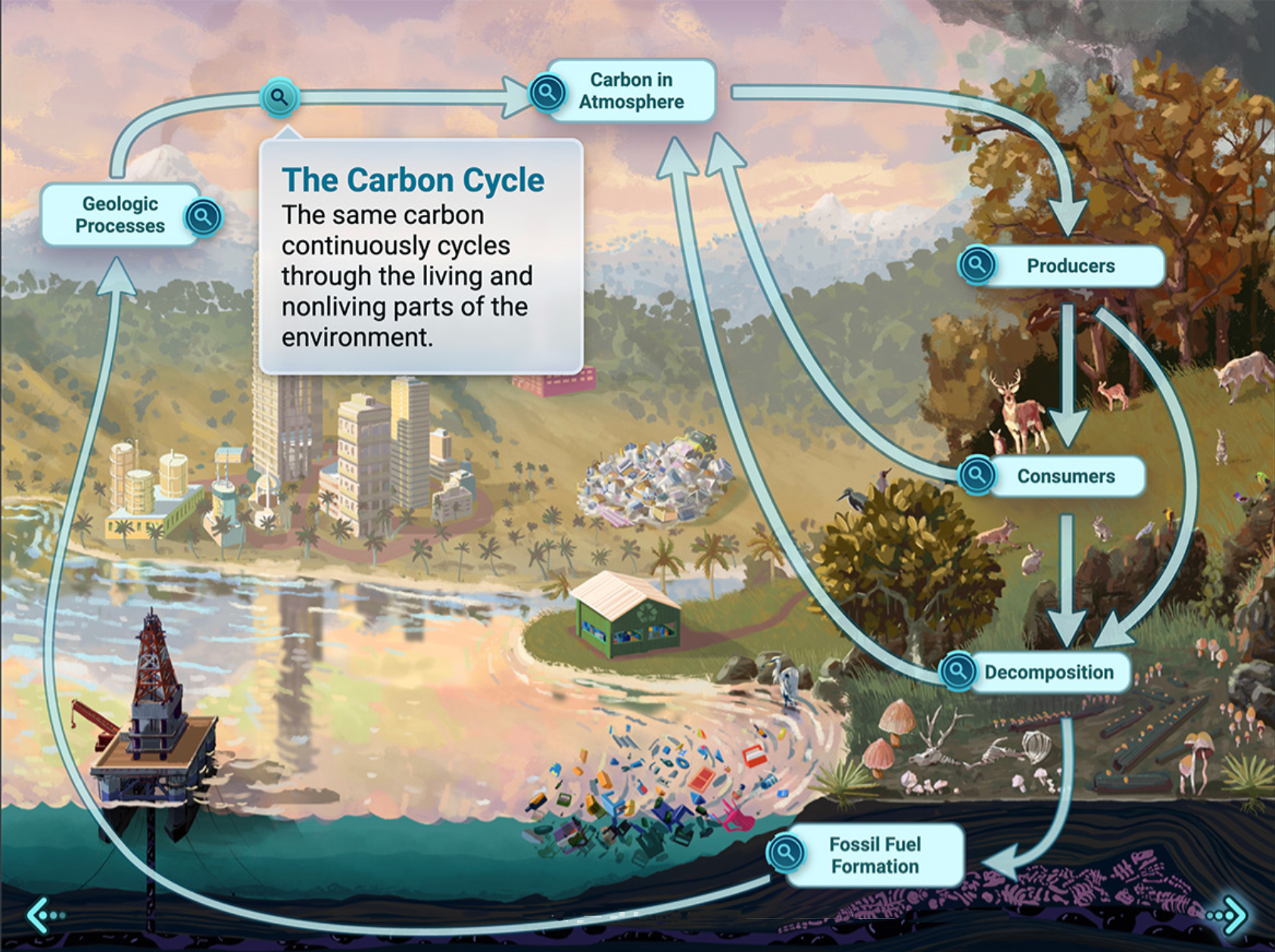
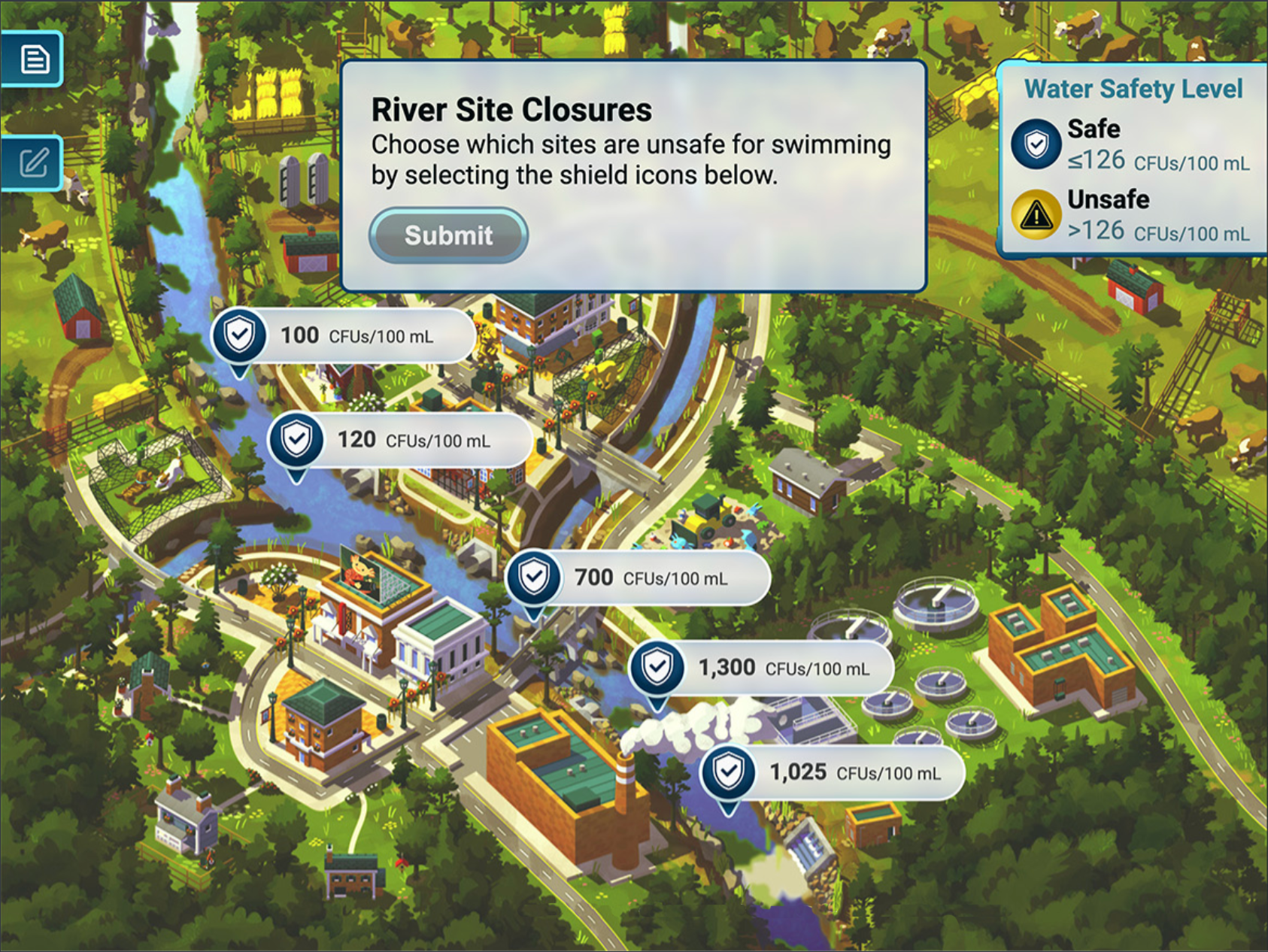
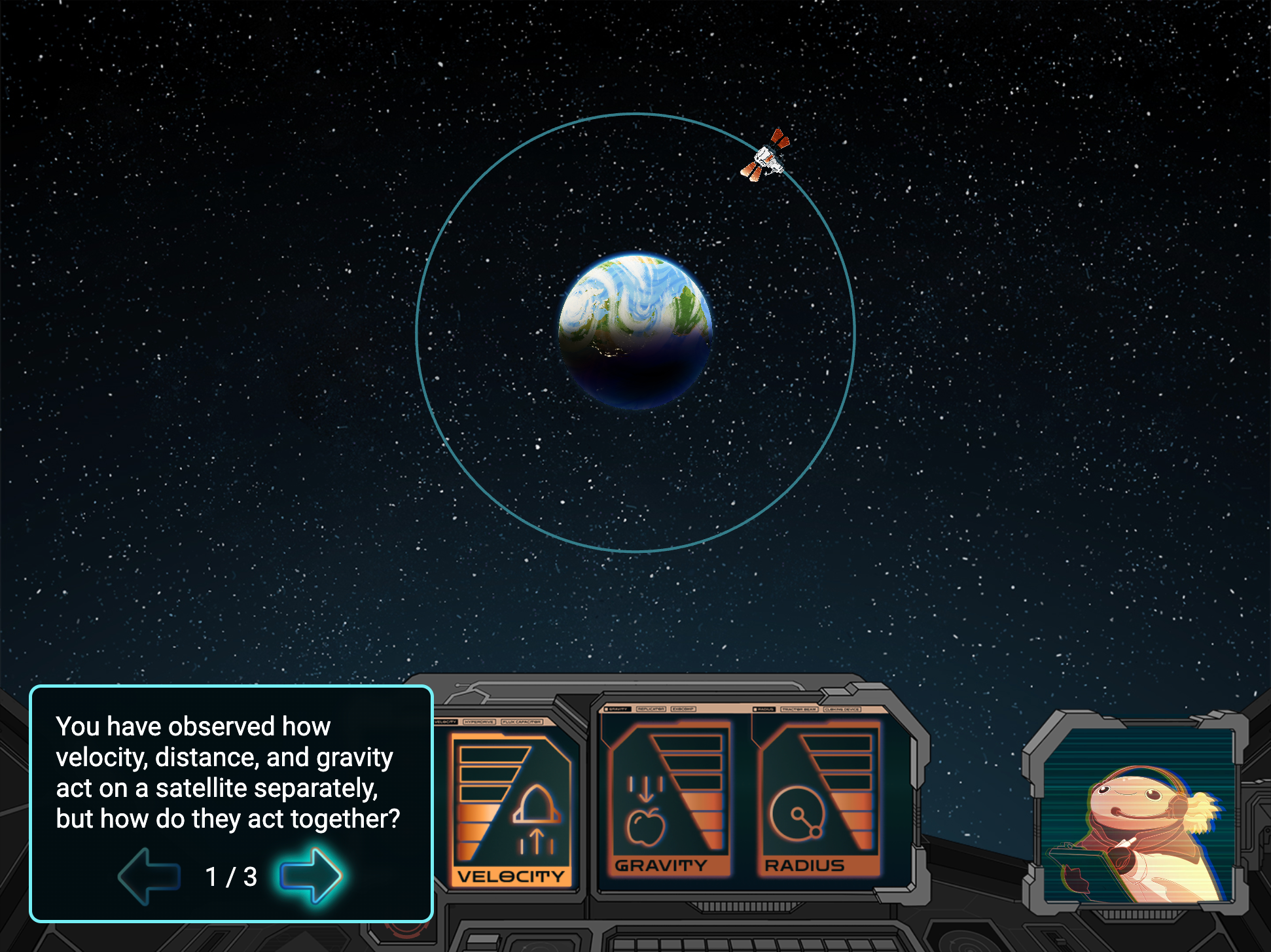
Year 3 Product Review, After Changes Implemented:
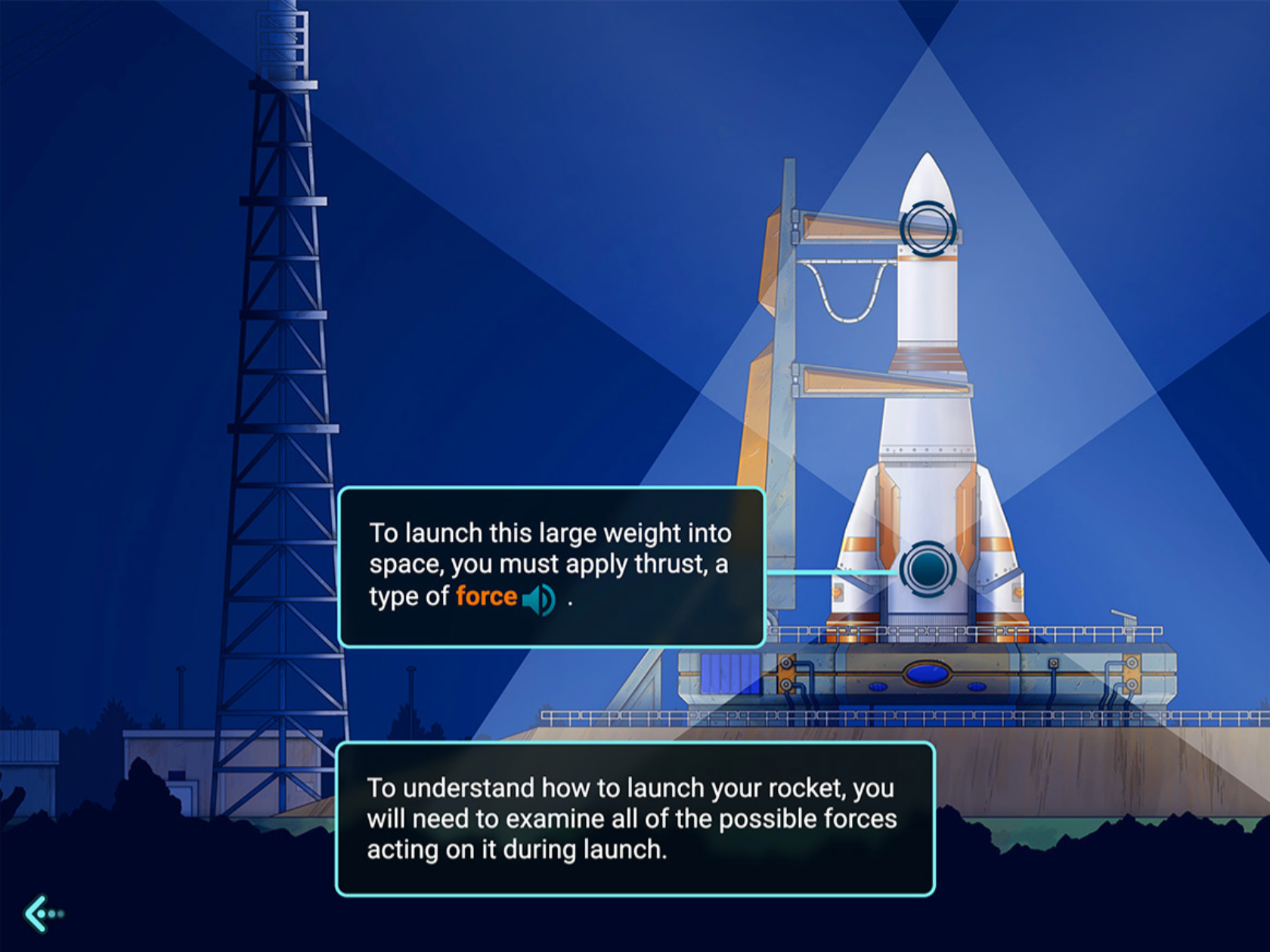
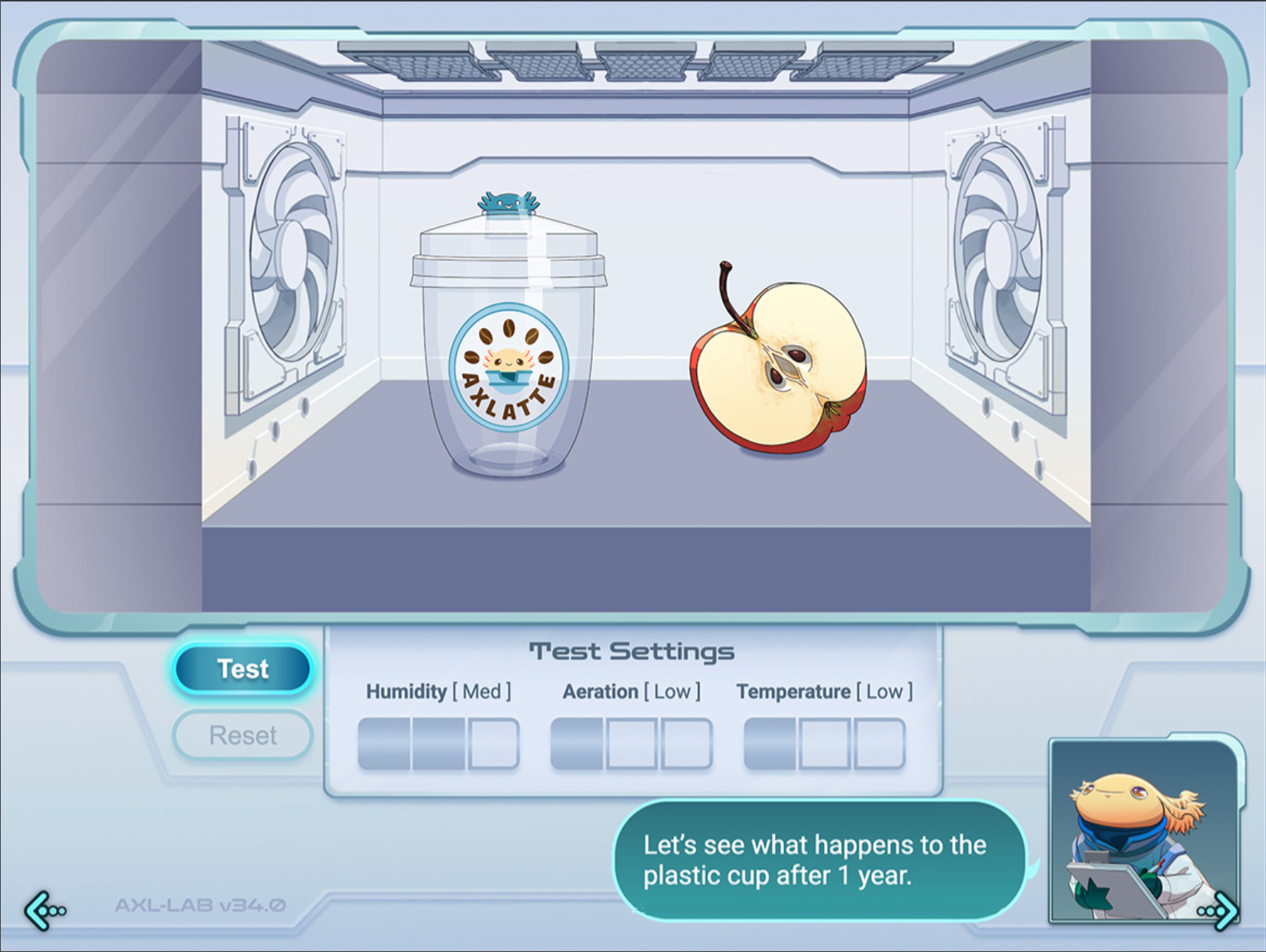
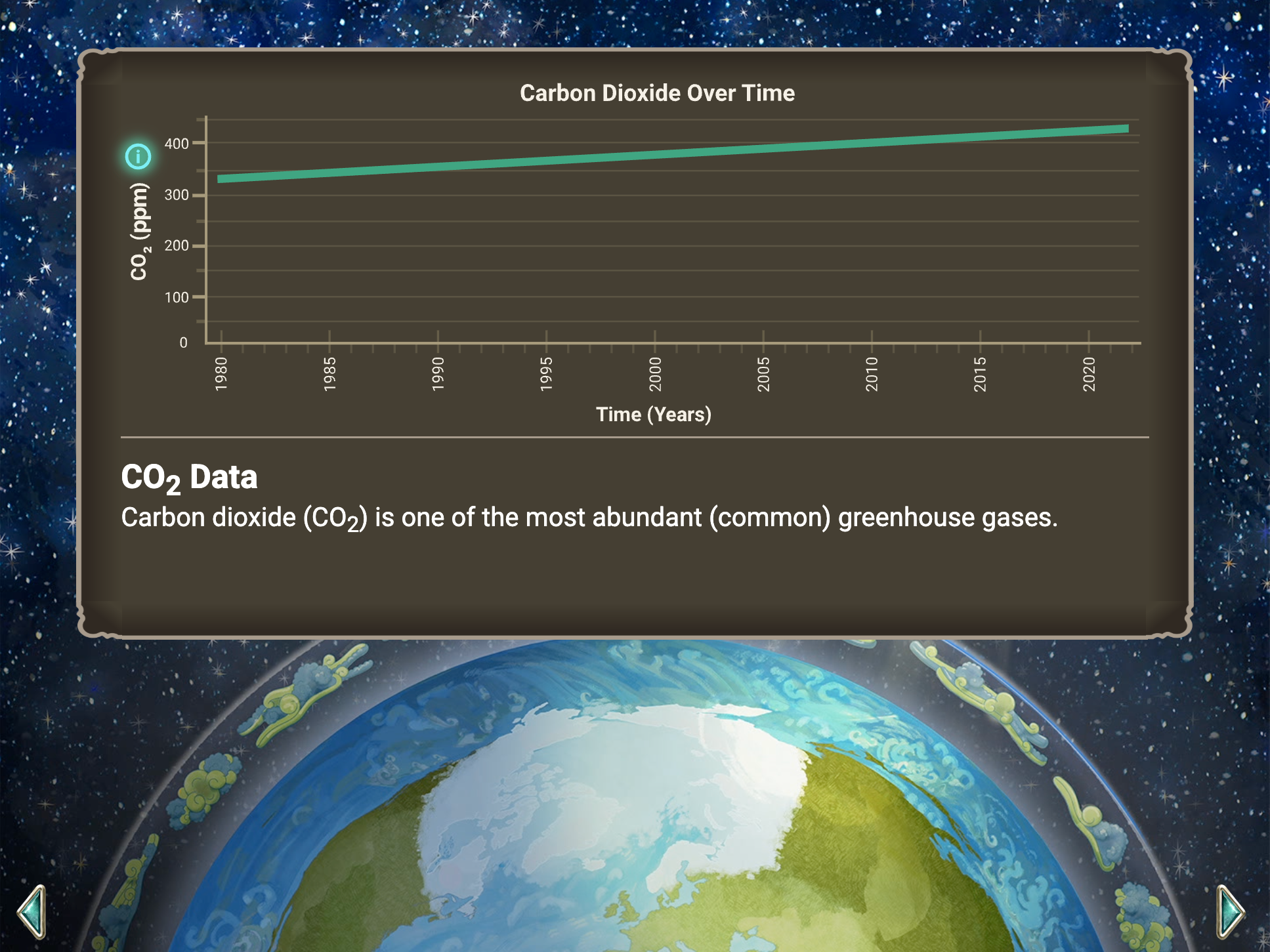
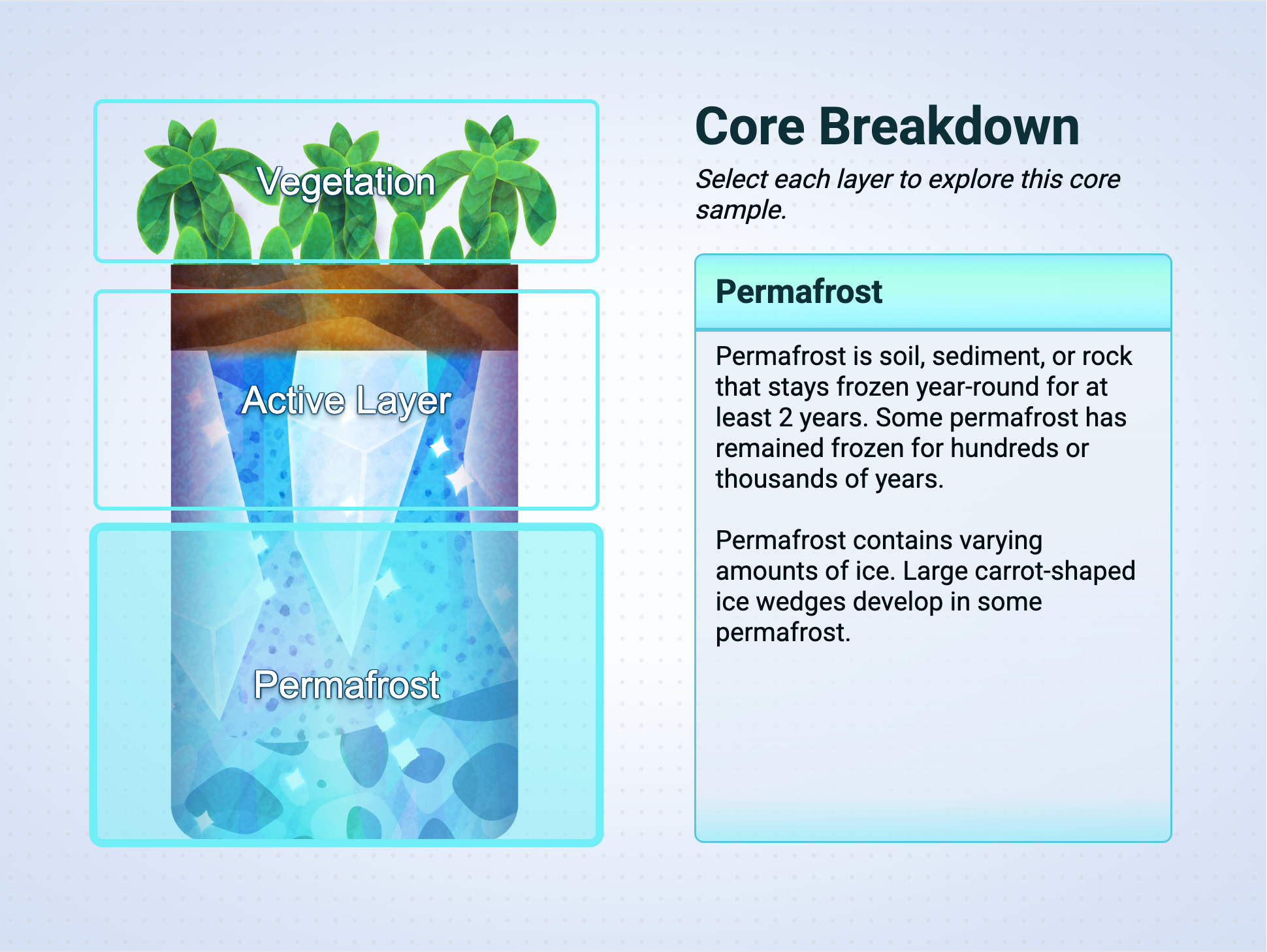
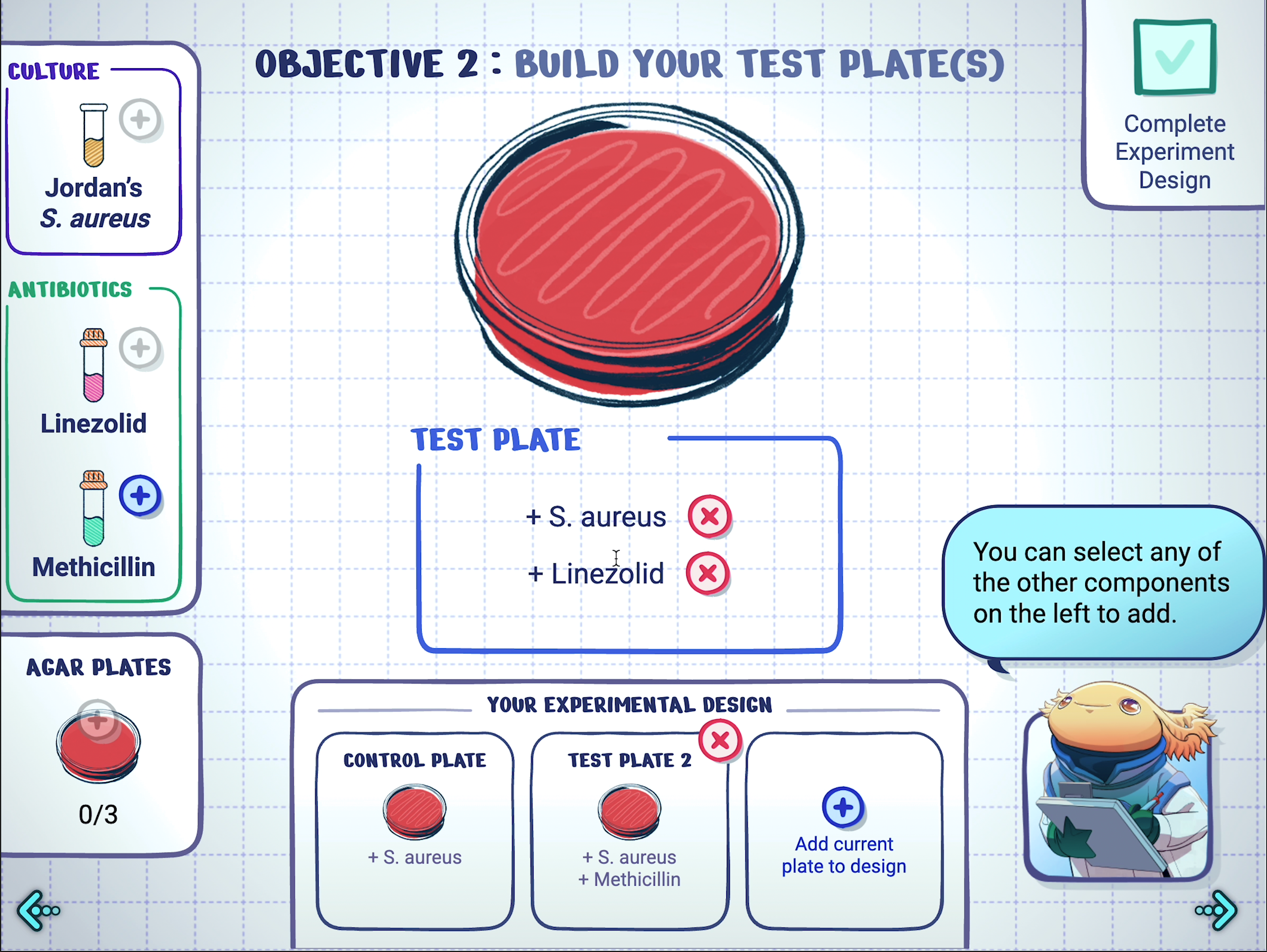
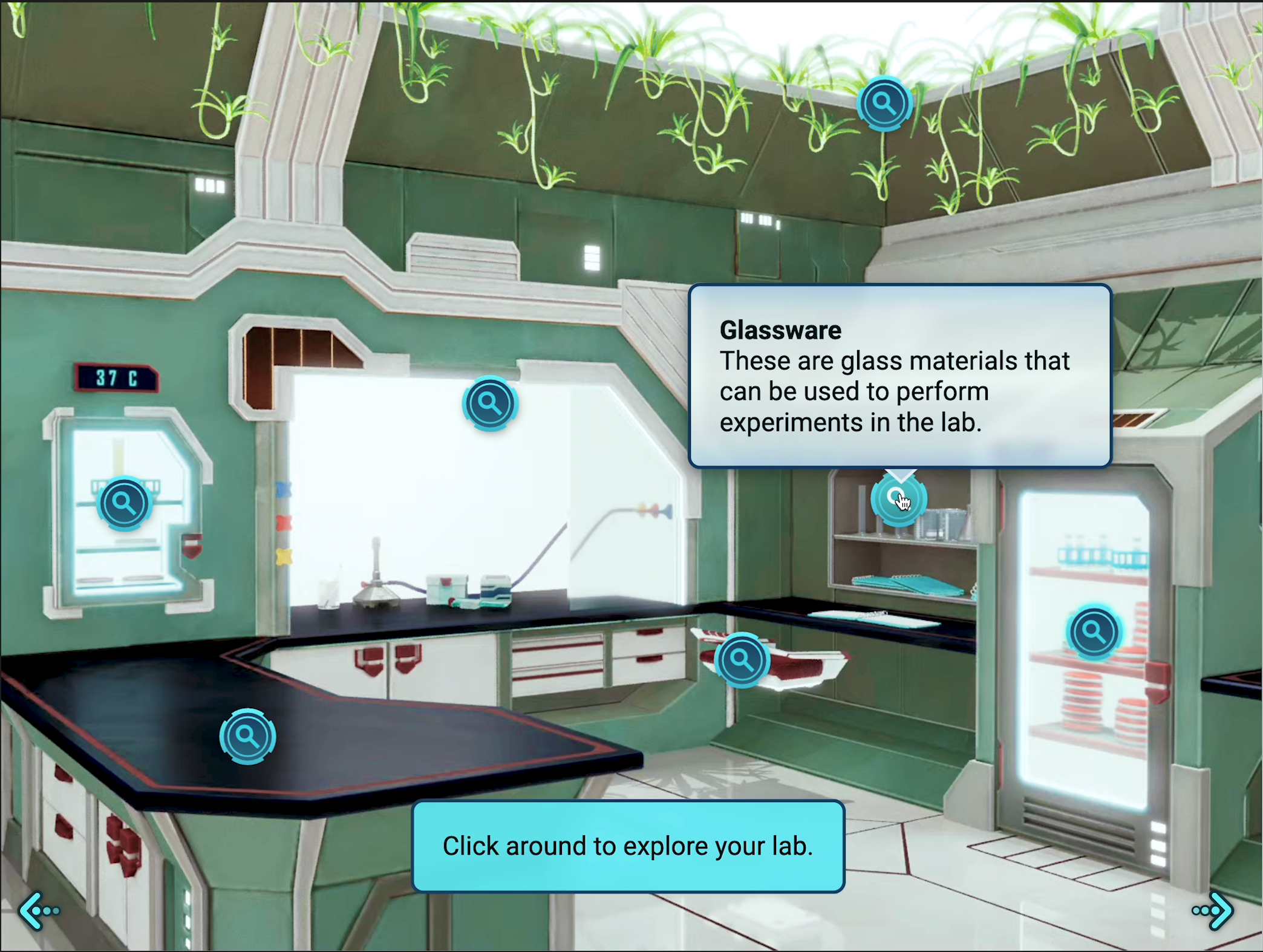
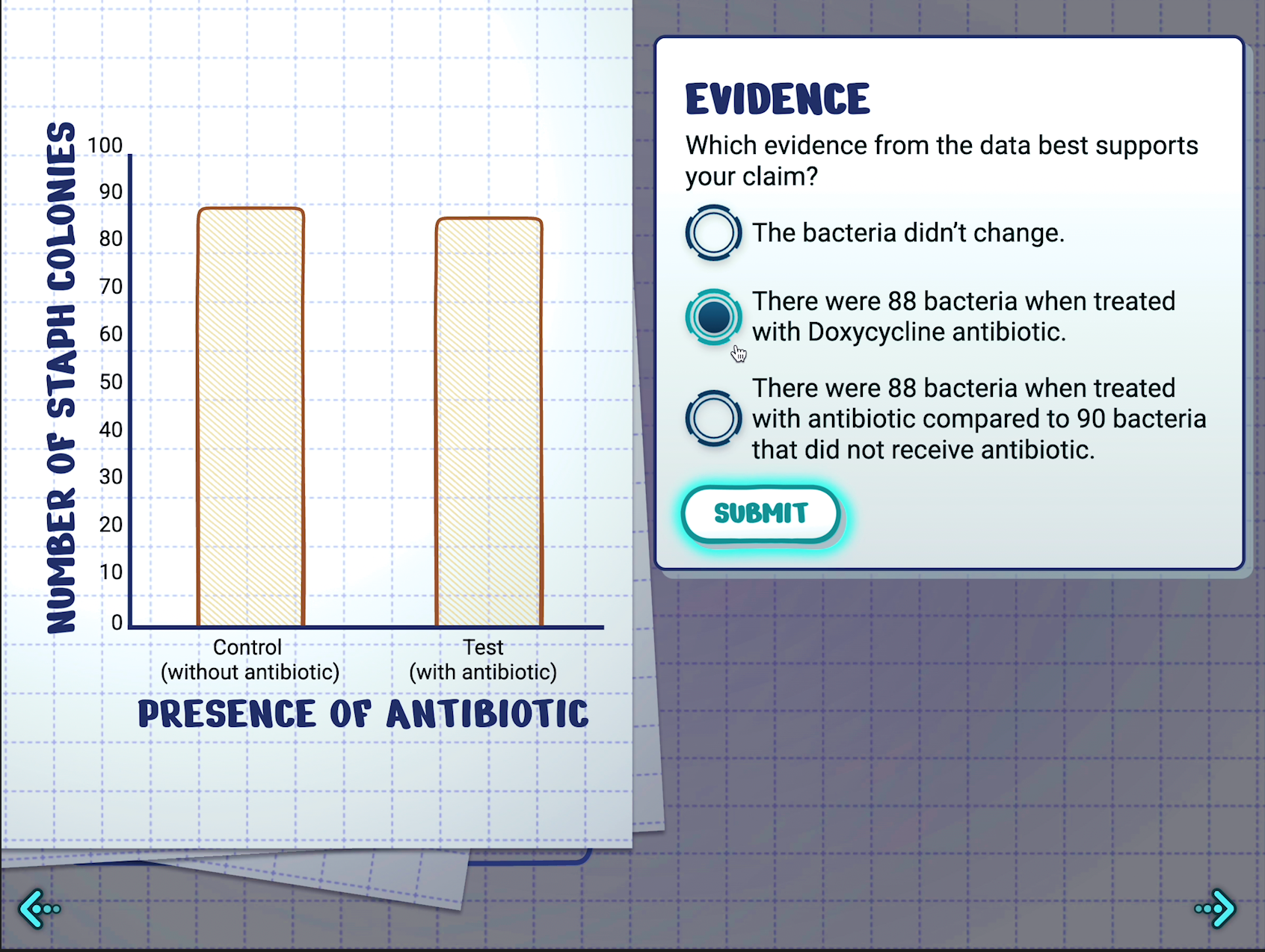
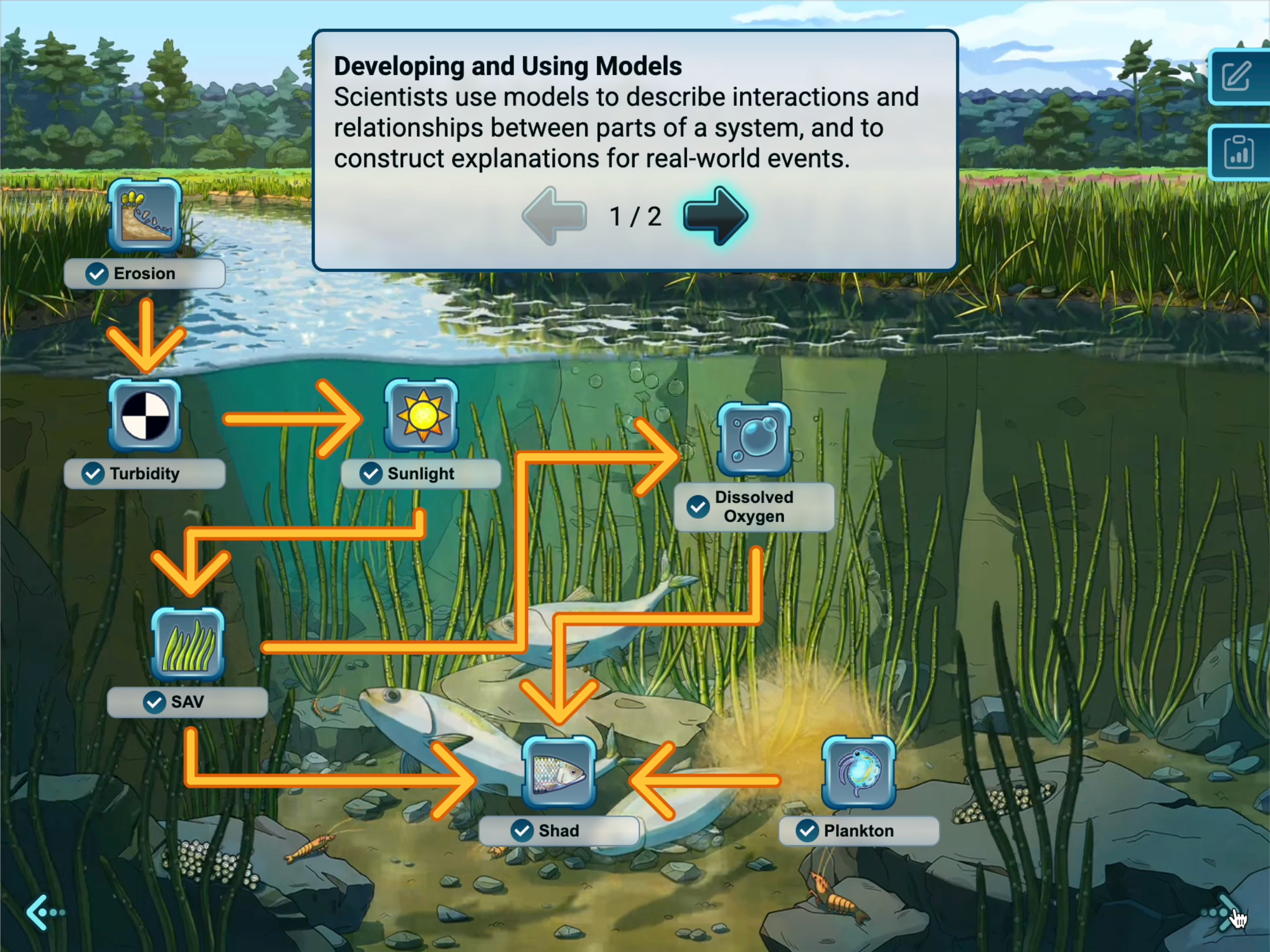
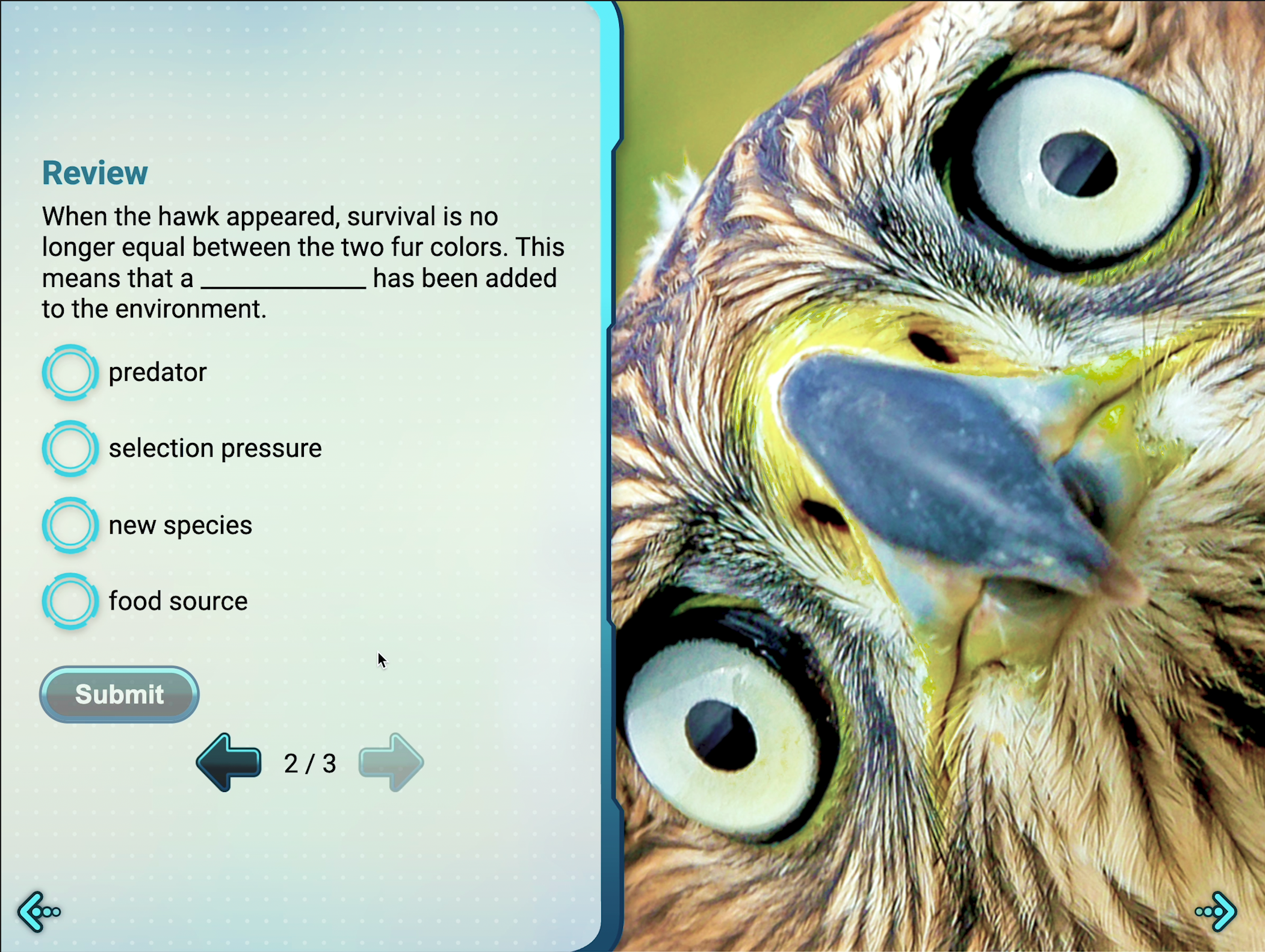
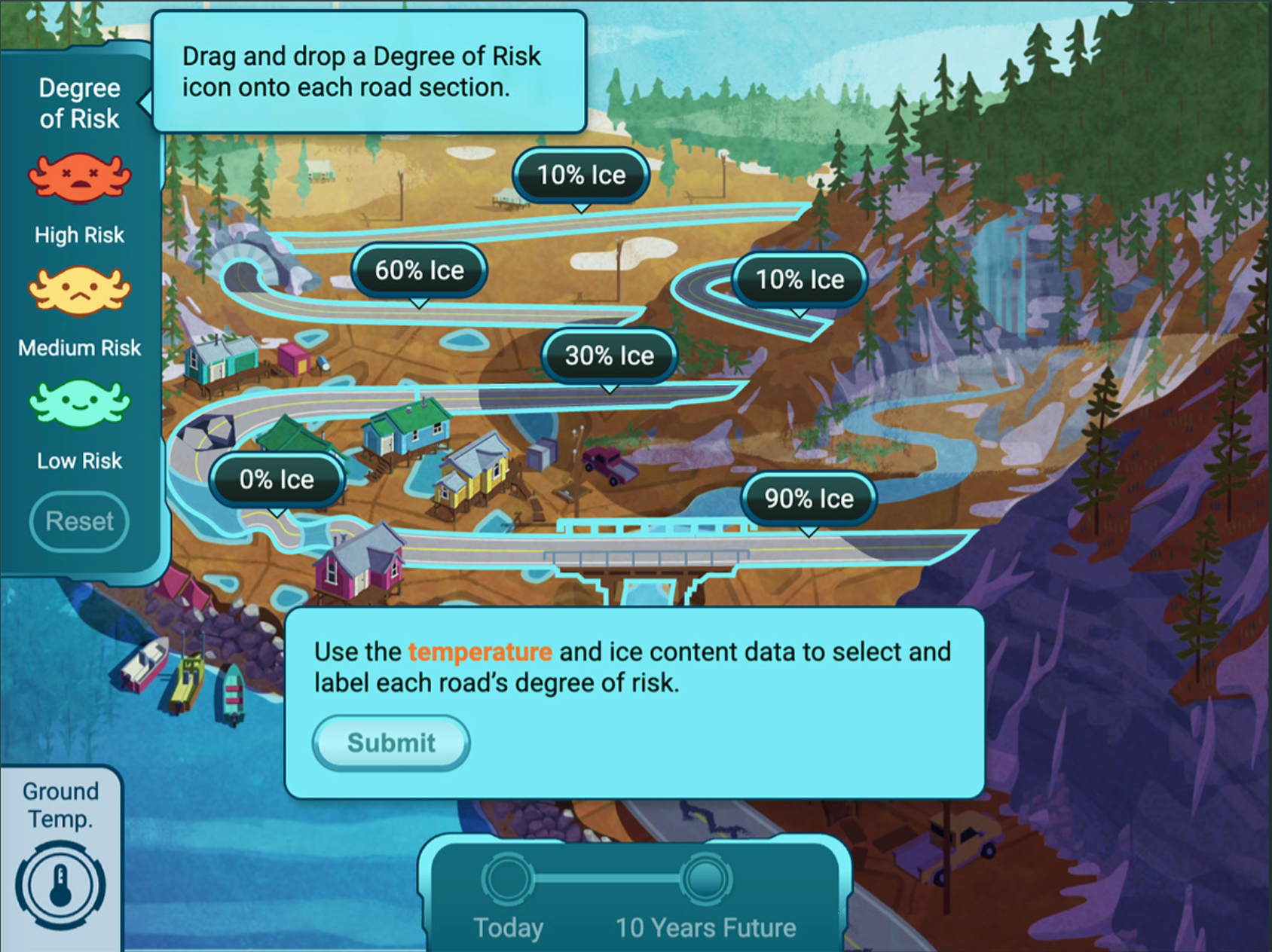
2025 Accomplishments:
Increased shipping from two to five titles per year with a smaller team.
Successful development and implementation of multiple game mechanics that effectively teach science content.
Significant changes to writing and visual narrative that introduce energy, youthfulness, humor, and positivity to the game experience.
UI overhaul brought the product up to a modern standard.
Designs implemented with more attention to a complete, unified visual experience
Accessibility significantly improved.
Improved morale of team, as reported through consistent post-mortems.
2025 Branding and Marketing Assets with Language:

STEM Cases
❋ Games That TeachWe incentivize players to develop an intuitive understanding of complex concepts that are reinforced through gameplay.
❋ Real-World StakesThese games use narrative to introduce players to real-world stories where science and engineering solved serious problems in communities around the world.
❋ Reporting and AssessmentPeriodic assessments throughout the course of the game report student progress to the teacher without interfering with the player’s experience of the product.
❋ NGSS AlignmentEvery STEM Case is aligned to NextGen science content standards for K-12 teaching. Cross-cutting concepts, SEPs, and DCIs are clearly articulated in supplemental materials given to teachers with every game.